

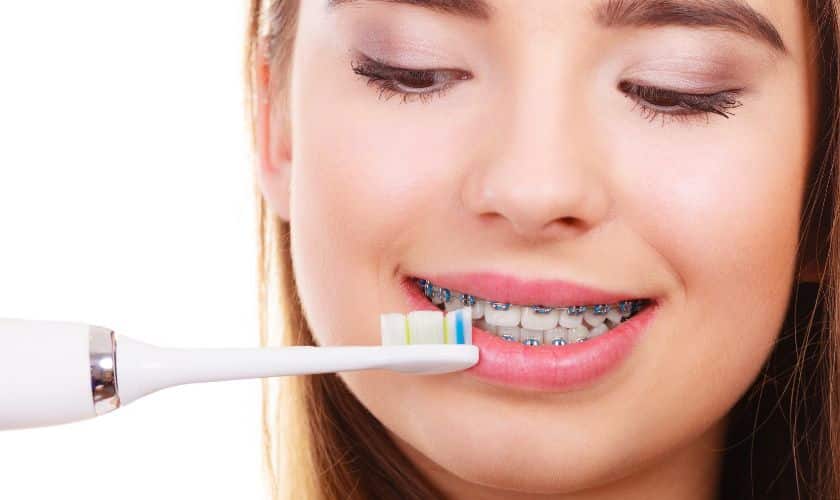
Keeping your smile clean and healthy during orthodontic treatment takes a little extra effort. When you’re wearing braces, food particles and plaque can easily get trapped around the brackets and wires, making your teeth more vulnerable to decay and staining. The good news? With the right brushing technique and a consistent routine, you can maintain a healthy, bright smile throughout your treatment.
Why Proper Brushing Matters
When you have dental braces, brushing isn’t just about keeping your teeth looking clean — it’s about preventing long-term issues like cavities, gum disease, and enamel discoloration. The brackets and wires create more surfaces for bacteria to cling to, which means brushing effectively is essential for keeping both your teeth and gums in top condition.
Step-by-Step Guide: How to Brush Your Teeth with Braces
1. Gather the Right Tools
Start with the essentials:
- A soft-bristled or electric toothbrush
- Fluoride toothpaste
- An interdental or proxabrush to clean around brackets and under wires
- Dental floss and a floss threader (or orthodontic floss)
- A mirror to check your progress
These tools make it easier to reach every part of your mouth and remove trapped food debris.
2. Rinse Before You Brush
Begin by rinsing your mouth with water to loosen food particles and make brushing more effective. This quick step ensures your toothbrush can reach all areas more easily.
3. Angle the Brush Correctly
Hold your toothbrush at a 45-degree angle toward the gumline. Use small circular motions to clean the outer surfaces of your teeth. Avoid scrubbing too hard — gentle, consistent brushing protects both enamel and gums.
4. Brush Around Brackets and Wires
Tilt your toothbrush bristles downward to clean above each bracket, then upward to clean below the wires. Take your time brushing around each bracket to remove plaque and food buildup.
5. Don’t Forget Inner and Chewing Surfaces
Brush the chewing (biting) surfaces and the inside areas of your teeth using short back-and-forth strokes. Be sure to clean your tongue, too, as it helps remove bacteria and keeps your breath fresh.
6. Use Interdental Brushes and Floss
After brushing, clean between teeth and under the wires with an interdental brush. Then use floss and a threader to remove plaque between teeth and near the gumline. A water flosser can also be helpful, especially if you’re on the go.
7. Rinse and Inspect
Rinse thoroughly with water or a fluoride mouthwash to wash away loosened debris. Check your teeth in the mirror to make sure all surfaces look clean — if you notice any food particles, go back and gently re-brush those spots.
8. Brush Frequently
Try to brush at least twice daily, ideally after every meal. Because braces trap more food than usual, brushing more often helps prevent staining, plaque buildup, and gum irritation. Spend at least two minutes each time to make sure you’ve cleaned every area.
Helpful Tips for Brushing with Braces
- Be gentle around wires and brackets to avoid damage.
- Carry a small travel brush and toothpaste to clean after lunch or snacks.
- Wait about 30 minutes before brushing if you’ve eaten acidic foods.
- Keep up with regular orthodontic and dental visits to monitor your oral health.
- Avoid sticky, chewy, and hard foods that can bend wires or pull off brackets.
Keep Your Smile Healthy and Confident
A little extra effort now pays off in the long run. By maintaining great brushing habits, you’ll keep your teeth and gums healthy throughout orthodontic treatment — and enjoy a beautiful smile when your braces come off.
For personalized tips on brushing and caring for your braces, visit our dental office for expert advice and professional cleanings. Our team is here to make sure your orthodontic experience stays smooth and comfortable — and your smile stays bright.
Ready to take the next step toward a healthier smile? Book an appointment today to get started!