

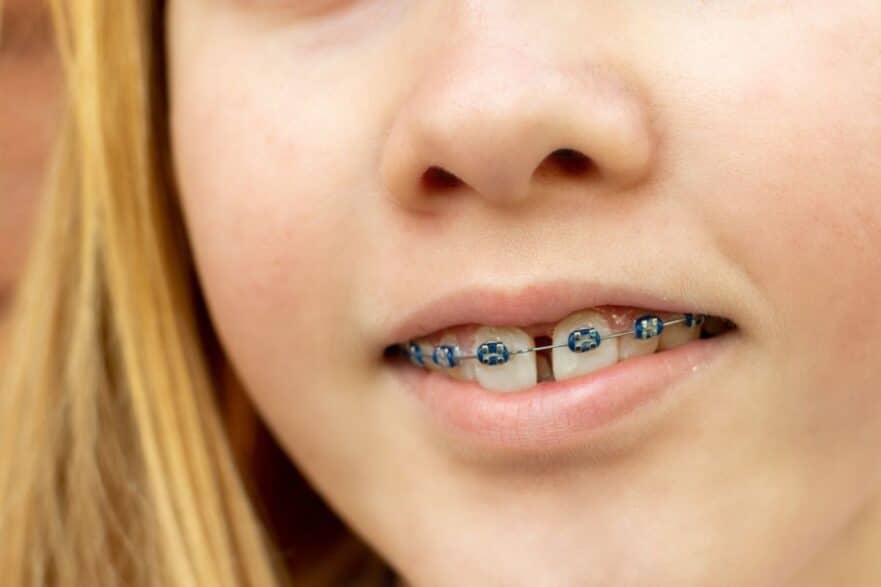
Dental braces are an excellent way to achieve a straighter, healthier smile. However, like any orthodontic procedure, braces treatment can sometimes cause temporary discomfort or minor injuries. The good news? Most issues are manageable at home with simple care steps.
This guide will help you understand common causes of braces-related pain, how to manage them effectively, and when it’s time to visit our dental office for professional care.
Why Dental Braces Can Cause Pain or Injury
It’s important to distinguish between normal soreness and actual injury. When you first get dental braces, or after adjustments, mild discomfort is expected as your teeth shift into position. This usually fades within a few days.
However, certain issues may cause irritation or injury, including:
- Poking wires: Archwires may extend and irritate your cheeks or gums
- Irritated cheeks and lips: Brackets can rub against soft tissues
- Loose or broken brackets: Can create sharp edges or disrupt treatment
- Loose bands: May trap food and cause discomfort
- Sore teeth after adjustments: A sign your braces treatment is working
These are common during orthodontic care and usually manageable with proper attention.
Immediate At-Home Remedies for Braces Pain
Before you rush to the orthodontist, try these effective home remedies to relieve discomfort from your dental braces:
1. For Poking Wires
Apply orthodontic wax over the sharp wire to create a protective barrier. This prevents further irritation and allows the area to heal.
2. For Irritated Cheeks and Lips
- Use orthodontic wax on brackets causing friction
- Rinse with warm salt water (1 tsp salt in a glass of water) to reduce inflammation and promote healing
- Stay hydrated and avoid acidic foods that may worsen irritation
3. For Sore Teeth After Adjustments
- Stick to soft foods like soups, yogurt, and smoothies
- Apply a cold compress to reduce swelling
- Take over-the-counter pain relievers if necessary
This soreness typically subsides within a few days as your teeth adjust.
4. For Minor Cuts or Sores
If your dental braces cause small cuts:
- Rinse with salt water regularly
- Use oral gels for temporary relief
- Keep the area clean to prevent infection
When to Visit Our Dental Office
While many issues can be handled at home, some situations require professional care. You should visit our dental office or call your orthodontist if you experience:
- Severe or persistent pain not relieved by home remedies
- Large sores, swelling, or signs of infection
- Broken or loose wires that cannot be managed with wax
- Loose or detached brackets or bands
- Difficulty eating or speaking due to discomfort
Prompt care ensures your braces treatment stays on track and prevents further complications.
Tips to Prevent Braces Pain and Injury
Preventive care plays a major role in making your orthodontic journey smoother:
Maintain Excellent Oral Hygiene
Brush and floss thoroughly to prevent plaque buildup and irritation around brackets.
Avoid Hard and Sticky Foods
Foods like popcorn, nuts, and chewing gum can damage your dental braces and cause pain.
Wear a Mouthguard for Sports
Protect your braces and mouth from injury during physical activities.
Follow Your Orthodontist’s Instructions
Regular visits and proper care reduce the risk of complications.
Stay Consistent With Appointments
Routine checkups help identify and fix issues early—so don’t forget to book an appointment when needed.
Trust Compton Orthodontics for Comfortable Braces Treatment
At Compton Orthodontics, your comfort is a top priority. Whether you’re dealing with minor irritation or need urgent care, our experienced team is here to help.
If you’re experiencing discomfort from dental braces, don’t wait—visit our dental office for expert guidance and personalized care. Your journey to a healthy, confident smile should be as smooth as possible.
Contact Compton Orthodontics today to book an appointment and keep your braces treatment on track!
FAQs
1. Is it normal for dental braces to hurt after adjustment?
Yes, mild soreness is normal after adjustments. It typically lasts a few days as your teeth shift into position.
2. How long does braces pain usually last?
Most discomfort lasts between 3–5 days, though minor irritation may continue as your mouth adjusts.
3. What should I do if a wire is poking my cheek?
Use orthodontic wax to cover the wire. If the problem persists, visit our dental office for a quick fix.
4. Can I take painkillers for braces discomfort?
Yes, over-the-counter medications like ibuprofen or acetaminophen can help relieve pain when used as directed.
5. When should I worry about braces pain?
You should seek professional care if the pain is severe, persistent, or accompanied by swelling, infection, or broken components.
6. How can I prevent injuries from braces?
Maintain good oral hygiene, avoid hard/sticky foods, wear a mouthguard during sports, and attend regular orthodontic visits.