

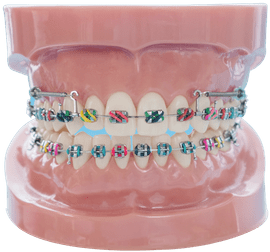
Wearing dental braces is an exciting step toward achieving a straighter, healthier smile, but it also comes with a few new responsibilities. One of the most important habits you’ll need to master during your braces treatment is flossing. While it may feel challenging at first, learning how to floss properly with braces can make a big difference in your oral health and overall treatment success.
At Compton Orthodontics, we often hear patients ask, “Is flossing with braces really necessary?” The answer is a resounding yes. Food particles and plaque can easily get trapped around brackets and wires, increasing your risk of cavities, gum disease, and staining. With the right tools and techniques, flossing can become a simple and effective part of your daily routine.
Let’s walk through everything you need to know to floss with confidence while wearing braces.
Why Flossing With Braces Is So Important
When you have dental braces, your teeth and gums require extra care. Brackets and wires create small spaces where food debris and bacteria can accumulate. Brushing alone can’t always reach these tight areas, which is why flossing becomes essential.
Neglecting flossing during braces treatment can lead to:
- Plaque buildup and tartar formation
- Swollen or bleeding gums
- Tooth decay between teeth
- White spots or discoloration after braces are removed
By flossing daily, you help keep your gums healthy and ensure that your smile looks just as good when the braces come off as it does when aligned.
The Challenges of Flossing With Braces
Flossing with braces isn’t quite the same as flossing without them. The wire connecting your brackets makes it harder to slide floss between your teeth. This can make the process feel time-consuming or even frustrating at first.
However, with a little patience and the right technique, it quickly becomes second nature. Many patients find that once they establish a routine, flossing becomes just another easy step in their daily oral care.
Tools That Make Flossing Easier
Before diving into technique, it’s helpful to know about tools designed specifically for people with braces. These can simplify the process and improve your results.
Floss threaders are a popular option. They work like a needle, helping guide the floss under the archwire so you can clean between your teeth.
Orthodontic floss is another great choice. It often has a stiff end that makes threading easier and may include a spongy section for better cleaning around brackets.
Water flossers are also highly recommended. These devices use a stream of water to remove food particles and plaque, making them an excellent supplement to traditional flossing.
Interdental brushes, which are small, cone-shaped brushes, can help clean around brackets and wires where floss might not reach.
Using a combination of these tools can make your flossing routine more effective and less time-consuming.
Step-by-Step Guide to Flossing With Braces
Learning the proper technique is key to getting the most out of your efforts. Here’s a simple step-by-step approach:
Start by cutting a piece of floss about 18 to 24 inches long. If you’re using a floss threader, insert the floss into the loop and gently guide it under the wire between two teeth.
Once the floss is in place, hold it firmly and slide it up and down between your teeth. Be sure to curve the floss around each tooth in a “C” shape, reaching just below the gumline to remove plaque effectively.
Move the floss carefully to avoid snapping it against your gums, which can cause irritation.
After cleaning one tooth, remove the floss and repeat the process for the next space. Yes, it takes a bit more time with braces, but the benefits are well worth it.
If you’re using a water flosser, aim the stream along the gumline and around each bracket, ensuring you cover all areas.
How Often Should You Floss?
Consistency matters. Ideally, you should floss at least once a day while wearing dental braces. Many orthodontists recommend flossing at night so you can remove any food particles and plaque that have built up throughout the day.
If you’ve had a meal that left food stuck in your braces, it’s also a good idea to floss or use an interdental brush afterward.
Tips to Make Flossing Easier
Flossing with braces doesn’t have to feel like a chore. A few simple strategies can make the process smoother:
Take your time, especially when you’re just getting started. Rushing can lead to missed spots or discomfort.
Use a mirror to see what you’re doing. This helps you navigate around brackets and wires more effectively.
Stick to a routine. Flossing at the same time each day helps turn it into a habit.
Keep your tools handy. Having floss threaders or a water flosser within reach makes it more likely you’ll stay consistent.
If you ever feel unsure about your technique, don’t hesitate to visit our dental office for guidance. Our team is always happy to demonstrate proper flossing methods.
Common Mistakes to Avoid
Even with the best intentions, it’s easy to make a few mistakes when flossing with braces. Being aware of these can help you avoid problems:
Skipping flossing altogether is the biggest mistake. Even if it feels inconvenient, it’s essential for your oral health.
Using too much force can damage your gums or loosen brackets. Gentle, controlled movements are key.
Forgetting the gumline is another common issue. Plaque often builds up where the tooth meets the gum, so make sure to clean that area thoroughly.
Relying only on mouthwash is not enough. While it can help reduce bacteria, it doesn’t remove plaque as flossing does.
The Role of Professional Care
While at-home care is crucial, regular visits to your orthodontist play an equally important role in maintaining your smile during braces treatment. Routine checkups allow your orthodontist to monitor your progress, adjust your braces, and ensure your teeth and gums stay healthy.
Professional cleanings can also remove any plaque or tartar that you may have missed, giving your smile an extra boost.
If you ever experience persistent bleeding, swelling, or discomfort while flossing, it’s important to schedule a visit to our dental office. These could be signs of gum issues that need attention.
Building Healthy Habits for Long-Term Success
Flossing with braces isn’t just about getting through your current treatment; it’s about building habits that will benefit you for a lifetime. Once your braces come off, maintaining good oral hygiene will help preserve your beautiful new smile.
Think of flossing as an investment in your future dental health. The effort you put in now will pay off with healthier teeth, stronger gums, and more confident smiles.
Why Patients Trust Compton Orthodontics
At Compton Orthodontics, we understand that adjusting to life with dental braces can feel overwhelming at first. That’s why we’re here to support you every step of the way. From personalized care plans to practical tips for daily maintenance, our goal is to make your braces treatment as smooth and successful as possible.
We believe that education is key. When you know how to care for your braces properly, you’re more likely to achieve the best possible results.
Ready to Take the Next Step?
Flossing with braces may require a little extra effort, but it’s one of the most important things you can do to protect your smile during treatment. With the right tools, techniques, and support, you can keep your teeth and gums healthy every step of the way.
If you have questions about flossing or need guidance on caring for your braces, we’re here to help. Visit our dental office to learn more about maintaining your oral health during braces treatment.
Don’t let uncertainty hold you back from achieving your best smile. Whether you’re just starting your braces journey or need help improving your oral care routine, the team at Compton Orthodontics is ready to assist you. Book an appointment today and take the next step toward a healthier, more confident smile.
Frequently Asked Questions
1. Is it really necessary to floss every day with braces?
Yes, daily flossing is essential during braces treatment. It helps remove plaque and food particles that brushing alone can’t reach, reducing the risk of cavities and gum disease.
2. What is the easiest way to floss with braces?
Using floss threaders or orthodontic floss can make the process much easier. Many patients also find water flossers to be a convenient and effective option.
3. Can I skip flossing if I use a water flosser?
While water flossers are helpful, they should ideally be used alongside traditional flossing for the best results.
4. Why do my gums bleed when I floss with braces?
Bleeding gums can be a sign of inflammation caused by plaque buildup. Regular, gentle flossing usually helps improve gum health over time. If bleeding persists, visit our dental office for an evaluation.
5. How long does it take to floss with braces?
It may take a few extra minutes compared to flossing without braces, especially at first. However, as you become more comfortable with the technique, the process will become quicker and easier.
6. What happens if I don’t floss during braces treatment?
Skipping flossing can lead to plaque buildup, cavities, gum disease, and staining. This can affect both your oral health and the final results of your braces treatment.