

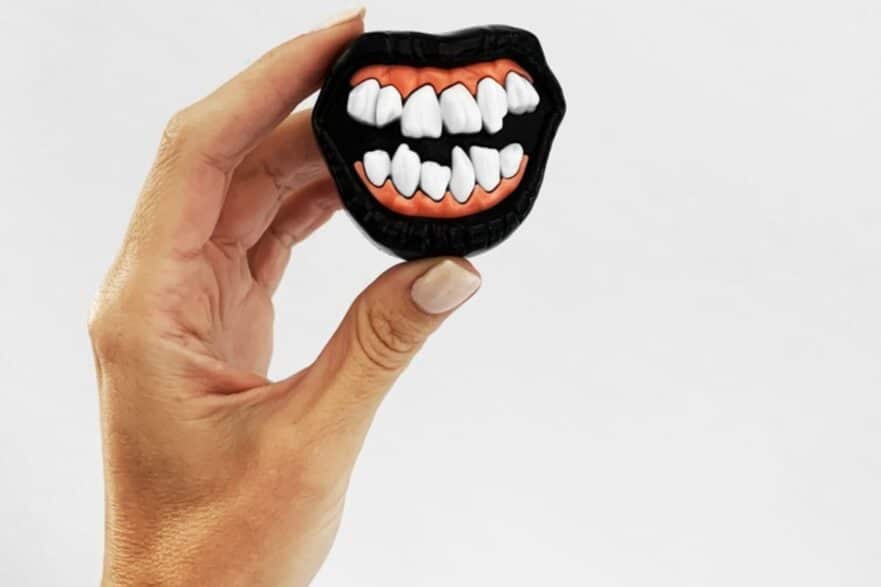
Crooked teeth are more common than you might think. Many people experience misalignment due to genetics, thumb sucking during childhood, injury, or poor dental habits. While crooked teeth can affect your smile, they can also lead to issues like difficulty cleaning, jaw strain, or even speech problems.
Fortunately, modern dentistry offers several safe and effective ways to straighten teeth. In this blog, we’ll walk you through the most common methods, how to choose the right one, and what to expect during treatment.
Why Fixing Crooked Teeth Matters
Before jumping into treatment options, it’s important to understand why straightening crooked teeth can be beneficial beyond cosmetic reasons.
Improved Oral Health: Crooked teeth are harder to clean properly, which increases the risk of cavities and gum disease.
Better Chewing and Digestion: Misaligned teeth can make chewing inefficient, which affects digestion and jaw comfort.
Boosted Confidence: A straight smile can dramatically improve self-esteem and make social interactions more comfortable.
Common Causes of Crooked Teeth
Understanding the reasons behind crooked teeth can help you choose the right treatment. Some common causes include:
- Genetics
- Early loss of baby teeth
- Poor oral habits (like thumb sucking or prolonged pacifier use)
- Facial injury or trauma
- Crowding due to a lack of space in the jaw
Identifying the cause can help your dentist or orthodontist decide on the most effective action.
Treatment Options for Crooked Teeth
1. Traditional Braces
Metal braces are the most well-known and widely used method for straightening teeth. They consist of metal brackets attached to each tooth and connected with wires.
Pros:
- Effective for complex cases
- Customizable with colored bands for kids or teens
Cons:
- Visible and can cause initial discomfort
- Regular adjustments are needed
Despite being the most noticeable option, traditional braces are still the most effective, especially for severe misalignment.
2. Ceramic Braces
Ceramic braces work similarly to metal braces but use tooth-colored or clear brackets for a less noticeable appearance.
Pros:
- Less visible than metal braces
- Effective for moderate alignment issues
Cons:
- Can stain without proper care
- Usually more expensive than metal braces
Ceramic braces are a great middle-ground option for those who want something more discreet.
3. Clear Aligners (e.g., Invisalign)
Clear aligners are removable trays that gradually shift your teeth into place. They are custom-made and replaced every couple of weeks to continue movement.
Pros:
- Nearly invisible
- Removable for eating and brushing
- More comfortable than braces
Cons:
- It may not be suitable for severe cases
- Requires discipline to wear 20–22 hours a day
Clear aligners are especially popular among adults seeking a discreet solution. If you’re exploring this option, a trusted orthodontist in Bowling Green can help determine if you’re a good candidate.
4. Lingual Braces
Lingual braces are similar to traditional braces but are placed on the inside of the teeth, making them virtually invisible from the outside.
Pros:
- Hidden from view
- Effective for most types of misalignment
Cons:
- Can affect speech
- Harder to clean
- Generally more expensive
They offer a unique solution for people wanting truly invisible braces.
Additional Methods for Minor Corrections
In some cases, orthodontic treatment might not be necessary if the misalignment is very minor. Cosmetic options like veneers or dental bonding can help improve the appearance of slightly crooked teeth.
- Veneers are thin shells placed on the front of the teeth to create the appearance of a straight smile.
- Bonding uses a tooth-colored resin to reshape and improve minor imperfections.
These options are faster but are primarily cosmetic and do not fix the underlying misalignment.
What to Expect During Treatment
Straightening teeth takes time, ranging from a few months to a few years, depending on the severity of the misalignment and the method chosen. Regular visits to your dentist or orthodontist are essential for tracking progress and making adjustments.
Mild discomfort is normal during the early days of wearing braces or aligners, but it usually fades as you adjust.
Good oral hygiene is also critical during treatment. Misaligned or shifting teeth can trap food particles more easily, so brushing and flossing carefully is more important than ever. If you have any concerns about your treatment, don’t hesitate to visit our dental office for a consultation and personalized advice.
Final Thoughts
Fixing crooked teeth isn’t just about having a beautiful smile—it’s about improving your oral health, function, and confidence. With several options available today, from traditional braces to invisible aligners, there’s a solution for nearly everyone.
If you’re ready to take the first step toward a straighter smile, book an appointment with a qualified dental professional today. Your journey to a healthier, more confident you can start now.