

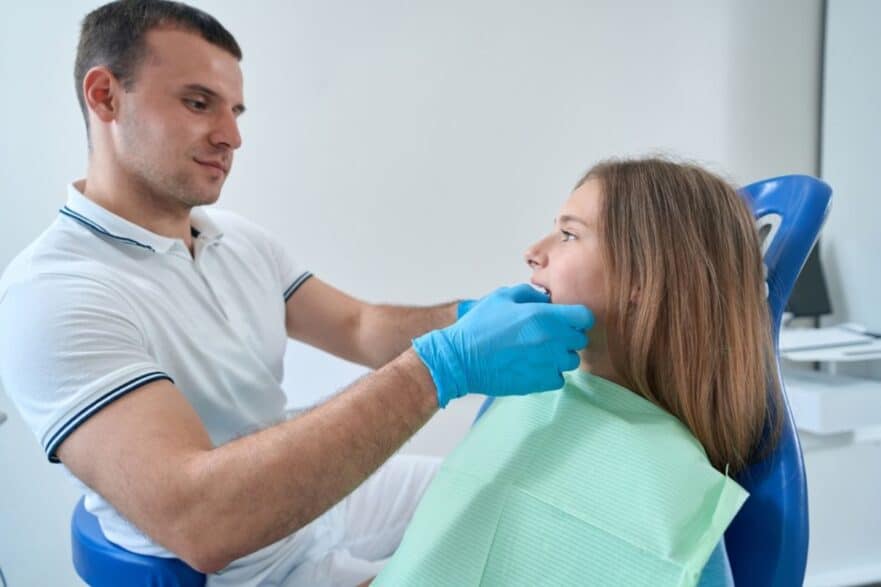
If you’re considering orthodontic care, one of the most common concerns patients have is, “Will this change how I speak?” It’s a fair question, after all, your teeth, tongue, and jaw all play a major role in forming sounds. The good news is that while orthodontic treatment can temporarily affect speech, it often leads to long-term improvements in clarity and confidence.
For families and individuals in Bowling Green, understanding how speech and orthodontics are connected can help you feel more prepared and confident before starting your journey.
How Speech and Your Teeth Are Connected
Speech is a complex process that involves coordination between your lips, tongue, teeth, and jaw. Every time you pronounce a word, your tongue interacts with your teeth and palate to create specific sounds. When teeth are misaligned or your bite is off, this coordination can be disrupted.
For example, gaps, crowding, or bite issues can interfere with airflow and tongue placement, leading to speech challenges like lisps or unclear pronunciation.
This is where orthodontic treatment comes in. By correcting these structural issues, an experienced orthodontist can improve not just your smile but also your speech.
Does Orthodontic Treatment Affect Speech?
The short answer is yes, but usually only temporarily.
When you first begin orthodontic treatment, whether with braces or clear aligners, your mouth is adjusting to something new. These appliances take up space and slightly change how your tongue moves, which can lead to minor speech differences.
Many patients notice:
- A slight lisp, especially with “s” or “th” sounds
- Mild difficulty pronouncing certain words
- A feeling of awkwardness while speaking
However, these changes are typically short-lived. Most people adapt quickly, and speech returns to normal within a few weeks.
In fact, studies show that while patients may notice speech differences early on, these effects usually disappear within about a month as the mouth adjusts.
Why Do Speech Changes Happen?
Speech changes during orthodontic treatment occur for a few key reasons:
1. Limited Space in the Mouth
Braces or aligners slightly reduce the available space inside your mouth. This can temporarily affect how your tongue moves and where it rests.
2. Changes in Tongue Placement
Certain sounds require precise tongue positioning. When appliances are introduced, your tongue needs time to relearn these positions.
3. Adjustments in Bite and Alignment
As your teeth shift into better alignment, the structure of your mouth changes. While this is beneficial long-term, it can feel unfamiliar at first.
4. Increased Saliva or Sensitivity
Early in treatment, you may produce more saliva or experience mild discomfort, which can briefly affect speech clarity.
Do Different Orthodontic Appliances Affect Speech Differently?
Yes, the type of orthodontic treatment you choose can influence how your speech is affected.
Traditional Braces
Metal or ceramic braces are the most common option. They may cause slight speech changes at first, but most patients adapt quickly.
Clear Aligners
Clear aligners are thinner and removable, but they still cover your teeth. Some patients report temporary speech differences, especially in the first few days.
Lingual Braces
These are placed behind the teeth and can have a more noticeable impact on speech initially because they interfere more directly with tongue movement.
No matter which option you choose, the key takeaway is the same: any speech changes are temporary and manageable.
The Positive Impact: How Orthodontics Can Improve Speech
While temporary changes may occur, the long-term benefits of orthodontic treatment on speech are significant.
Misaligned teeth and bite issues can cause:
- Lisping due to improper airflow
- Difficulty with consonants like “t,” “d,” or “s”
- Slurred or unclear speech from crowding
Orthodontic treatment corrects these problems by aligning your teeth and improving how your bite functions.
Once treatment is complete, many patients experience:
- Clearer pronunciation
- Better tongue positioning
- Improved confidence when speaking
For students at Bowling Green schools, professionals, or anyone who communicates frequently, this can make a noticeable difference in daily life.
How Long Do Speech Changes Last?
For most patients, speech adjustments follow a predictable timeline:
- First few days: Most noticeable changes
- First 1–2 weeks: Gradual improvement
- Within a month: Speech returns to normal for most people
Some patients may experience minor changes after adjustments, but these are usually brief and less noticeable.
Tips to Adjust Your Speech Faster
If you’re starting orthodontic treatment in Bowling Green, here are a few simple ways to adapt more quickly:
Practice Speaking
Reading aloud, talking with friends, or even singing can help your mouth adjust faster.
Be Patient
Your tongue and lips need time to adapt. This is completely normal.
Stay Hydrated
Keeping your mouth moist can improve comfort and speech clarity.
Follow Your Orthodontist’s Advice
Regular check-ins and proper care will help ensure a smooth transition.
Local Perspective: Why This Matters in Bowling Green
In a close-knit community like Bowling Green, communication plays a big role in everyday life, whether you’re chatting at a Western Kentucky University event, working downtown, or spending time with family at local parks.
Feeling confident in your speech can enhance your social interactions, professional opportunities, and overall quality of life. Orthodontic treatment isn’t just about aesthetics; it’s about function, health, and confidence.
When to Talk to an Orthodontist
If you or your child is experiencing speech issues related to teeth alignment, it may be time to consult an orthodontist. Early evaluation can help identify problems and create a treatment plan tailored to your needs.
Whether you’re dealing with crowding, gaps, or bite issues, the right orthodontic treatment can make a meaningful difference.
Ready to Improve Your Smile and Speech?
If you’re in Bowling Green and considering orthodontic care, now is the perfect time to take the next step. At Compton Orthodontics, we’re committed to helping you achieve a healthy, confident smile while supporting your comfort every step of the way.
Our experienced orthodontist understands the concerns patients have about speech and will guide you through a personalized treatment plan designed for your lifestyle.
Don’t let uncertainty hold you back. Visit our dental office today to learn more about your options and how orthodontic treatment can benefit you.
Book an appointment with us and start your journey toward better speech, better health, and a confident smile.
FAQ
1. Will braces give me a permanent lisp?
No. Any lisp caused by braces is temporary and typically disappears as your mouth adjusts.
2. How long does it take to get used to braces when speaking?
Most patients adapt within a few weeks, with significant improvement in the first month.
3. Are clear aligners better for speech than braces?
They may feel different, but both can cause temporary speech changes. Adaptation happens with both options.
4. Can orthodontic treatment fix speech problems?
Yes. By correcting alignment and bite issues, orthodontics can improve speech clarity over time.
5. Do children experience more speech changes than adults?
Not necessarily. Both children and adults may experience temporary changes, but adaptation is usually quick for all ages.
6. What sounds are most affected by braces?
“S,” “th,” “t,” and “d” sounds are most commonly affected during the initial adjustment period.