

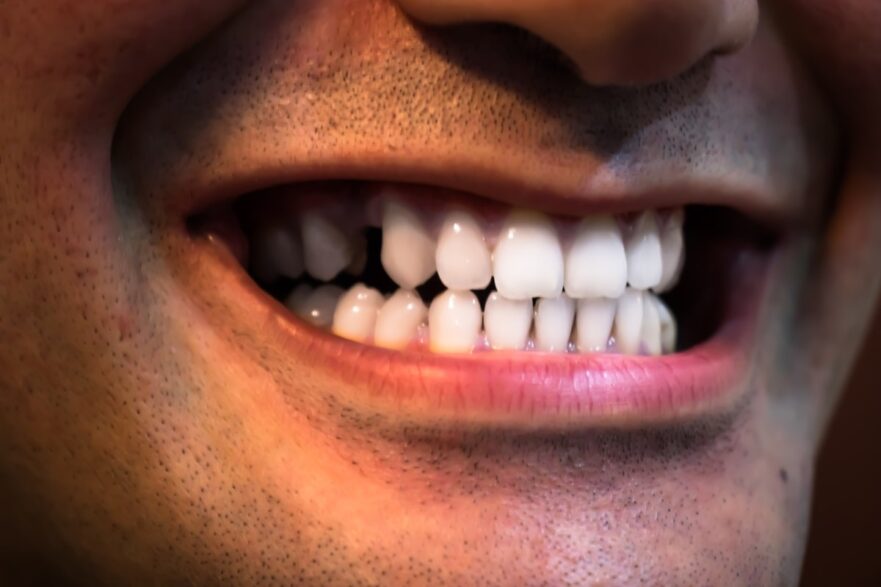
A confident smile can light up a room, but dental misalignment presents a significant challenge for many. Among the various types of malocclusion, a crossbite is a common issue that can impact aesthetics, daily comfort, and oral health. A crossbite occurs when the upper teeth bite on the inside of the lower teeth, a reversal of the normal bite. This blog post delves into the daily realities of living with a crossbite and explores practical solutions to help you navigate these challenges and reclaim your oral health.
Understanding Your Crossbite: What Is It and Why Does It Happen?
Before we dive into the challenges, let’s understand the basics. A crossbite can be either anterior (affecting the front teeth) or posterior (affecting the back teeth). It can also be unilateral (on one side) or bilateral (on both sides). This condition is often hereditary, but can also be caused by habits like thumb-sucking, mouth breathing, or even the early loss of baby teeth. A crossbite isn’t just a cosmetic concern; it puts undue stress on your jaw joints and teeth, leading to other problems.
Daily Challenges of Living with a Crossbite
The impact of a crossbite extends far beyond the appearance of your smile. It can affect how you eat, speak, and even breathe.
- Chewing Difficulties: One of the most immediate challenges is chewing food properly. A misaligned bite can prevent your teeth from grinding and tearing food effectively, leading to indigestion and potential nutritional deficiencies. You might find yourself chewing on one side of your mouth more than the other, which can strain your jaw muscles.
- Jaw and Muscle Pain: The constant, uneven pressure on your temporomandibular joints (TMJ) can lead to chronic jaw pain, headaches, and even neck and shoulder tension. This discomfort can be a daily nuisance, impacting your quality of life.
- Tooth Wear and Chipping: A crossbite causes abnormal friction between your teeth, leading to accelerated tooth wear. Over time, this can result in chipped or fractured teeth, making them more susceptible to cavities and sensitivity. In severe cases, a consultation with a dentist might be necessary to restore lost teeth after correction.
- Speech Impediments: Depending on the severity and location of the crossbite, it can affect your speech. You might experience a lisp or other difficulties pronouncing certain words, which can be a source of self-consciousness.
- Gum Recession and Bone Loss: The abnormal forces on your teeth can lead to gum recession, exposing the sensitive roots. This can also contribute to bone loss around the affected teeth, compromising their stability.
Solutions and Treatments: A Path to a Better Bite
The good news is that a crossbite is a treatable condition, and various orthodontic solutions are available to correct it. Consulting an orthodontist in Bowling Green is the first and most crucial step. They will conduct a comprehensive examination to determine the best course of action.
- Braces: Traditional braces are a highly effective solution for correcting a crossbite. They use brackets and wires to apply gentle, continuous pressure, gradually shifting teeth into their correct positions. Depending on the case, braces may be combined with other appliances, like palatal expanders, to widen the upper jaw.
- Invisalign: Clear aligners like Invisalign can be a great choice for those who prefer a more discreet option. These custom-made aligners are virtually invisible and can effectively correct many types of crossbites. They are also removable for eating and cleaning.
- Palatal Expanders: A palatal expander can widen the upper jaw if it is too narrow. This appliance is typically used in children and adolescents whose jawbones are still developing. It creates space for the upper teeth to align properly with the lower teeth.
- Surgery: In severe cases, especially in adults whose jaw has stopped growing, jaw surgery may be necessary in conjunction with orthodontics. This procedure can correct significant skeletal discrepancies and provide a stable foundation for the teeth.
Living Better: Daily Tips and Long-Term Care
While undergoing treatment, there are daily practices that can help manage the symptoms. To discuss your options further, you can always visit our dental office.
- Soft Diet: Stick to a soft diet to reduce stress on your jaw and teeth. Avoid hard, chewy, or sticky foods that can put extra pressure on your bite.
- Oral Hygiene: Maintaining excellent oral hygiene is paramount. A crossbite can make it challenging to clean all surfaces of your teeth, so use a good-quality toothbrush and floss, and consider an interdental brush or water flosser.
- Pain Management: For mild jaw pain, over-the-counter pain relievers and warm compresses can provide relief. If the pain is persistent, consult your orthodontist or dentist.
Conclusion: Taking the First Step Towards a Healthier Smile
Living with a crossbite can be challenging, but it is not a life sentence. With the right diagnosis and treatment plan, you can not only improve the aesthetics of your smile but also alleviate daily discomforts and prevent long-term health issues. Taking the initiative to consult an orthodontic professional is the most empowering step. If you’re ready to take control of your dental health, book an appointment with us today. A healthy, well-aligned bite is a cornerstone of overall well-being, paving the way for a more confident and comfortable life.