

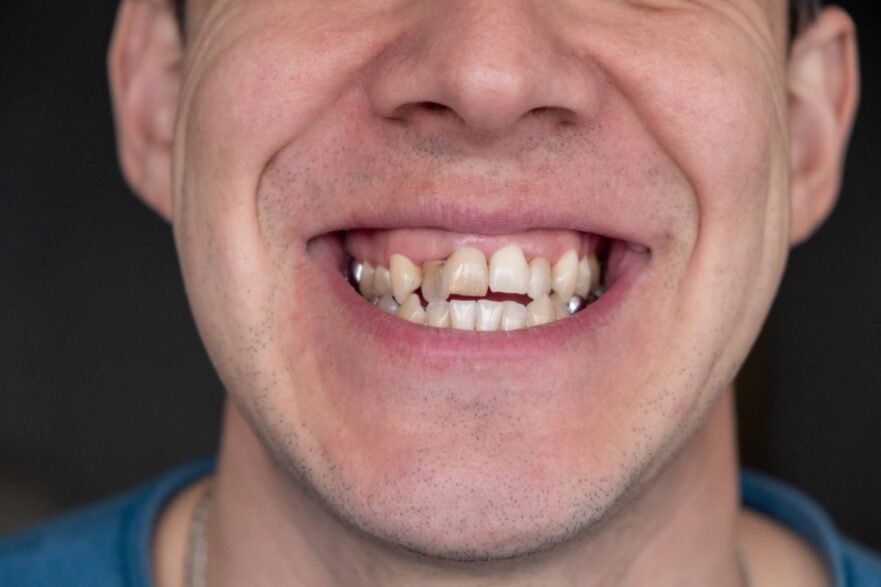
Dental crowding, a common orthodontic issue, is primarily influenced by genetics. It occurs when there isn’t enough space in the jaws to accommodate all the teeth properly, leading to misalignment, overlapping, and rotations. While environmental factors can play a role, the fundamental architecture of our dental structure, including jaw size and tooth size, is largely predetermined by our genes.
The Genetic Blueprint of Your Smile
Think of your genes as a blueprint for your body. This blueprint dictates everything from your eye color to the size and shape of your bones, including your jaws and teeth. When it comes to dental crowding, the most significant genetic influences are the genes that control jaw size and tooth size. The inheritance patterns of these two traits can create a perfect storm for crowding. For instance, you could inherit a smaller jaw from one parent and larger teeth from the other. This genetic mismatch is a classic recipe for dental crowding. The result is a jaw that simply doesn’t have the real estate to fit all the teeth, forcing them into a crowded arrangement.
The Role of Jaw Size
The size and shape of your jaw are complex traits influenced by multiple genes. Some of these genes are responsible for the overall growth and development of the facial bones, including the maxilla (upper jaw) and mandible (lower jaw). If these genes lead to a smaller or narrower jaw, it can predispose an individual to dental crowding. This is often an evolutionary remnant; as our ancestors’ diets became softer due to cooking, our jaws evolved to become smaller. However, the size of our teeth hasn’t always kept pace with this change, leading to a mismatch.
The Influence of Tooth Size
Just like jaw size, the size and shape of your teeth are also genetically determined. Genes dictate the number, width, and length of your teeth. Some individuals inherit genes that result in naturally larger teeth, a condition known as macrodontia. If these larger teeth are paired with a normal or small-sized jaw, crowding is almost inevitable. Conversely, individuals who inherit smaller teeth (microdontia) may have spacing issues, but they are less likely to experience crowding. The total tooth mass in relation to the available jaw space is a critical factor in determining whether a person will develop dental crowding.
Beyond Jaw and Tooth Size: Other Genetic Factors
While jaw and tooth size are the primary culprits, other genetic factors can contribute to dental crowding.
Tooth Eruption Patterns
The timing and sequence of tooth eruption can also have a genetic component. If teeth erupt out of order or at an unusual angle due to genetic predispositions, it can lead to a domino effect of misalignment and crowding. For example, if a permanent tooth emerges before the baby tooth it’s supposed to replace has fallen out, it can push other teeth out of alignment.
Missing Teeth or Extra Teeth
In some cases, genetic mutations can lead to the absence of certain teeth (congenital hypodontia) or the presence of extra teeth (supernumerary teeth). While hypodontia can lead to spacing issues, supernumerary teeth almost always cause severe crowding because they occupy space that isn’t meant for them. The genetic basis for both of these conditions is well-documented and often hereditary.
Skeletal Malocclusion
Genetics also influences the relationship between your upper and lower jaws. Conditions like skeletal malocclusion, where the jaws are disproportionately sized or positioned relative to each other, can lead to dental crowding. For example, an underdeveloped lower jaw (Class II malocclusion) or an overdeveloped lower jaw (Class III malocclusion) can cause significant crowding and bite problems. These skeletal discrepancies are largely hereditary and require comprehensive orthodontic treatment. If you’re looking for an orthodontist in Russellville to discuss your options, we can help.
Can Crowding Be Prevented?
Given the strong genetic link, preventing dental crowding can be challenging. However, early orthodontic intervention can make a significant difference. Orthodontists can use appliances like palatal expanders to widen the upper jaw and create more space for the permanent teeth to erupt. This early treatment, known as interceptive orthodontics, can sometimes reduce the need for more extensive treatments later on, such as tooth extraction or jaw surgery.
It’s also important to maintain good oral hygiene, as crowded teeth are harder to clean and are more susceptible to plaque buildup, cavities, and gum disease. Even if genetics has stacked the odds against a perfectly straight smile, modern orthodontic treatments offer a wide range of solutions, from traditional braces to clear aligners, to help you achieve a healthy and beautiful smile. To learn more about your options, you’re encouraged to visit our dental office, where our team can provide a thorough examination. You can also book an appointment online to get started on your journey to a straighter smile.