

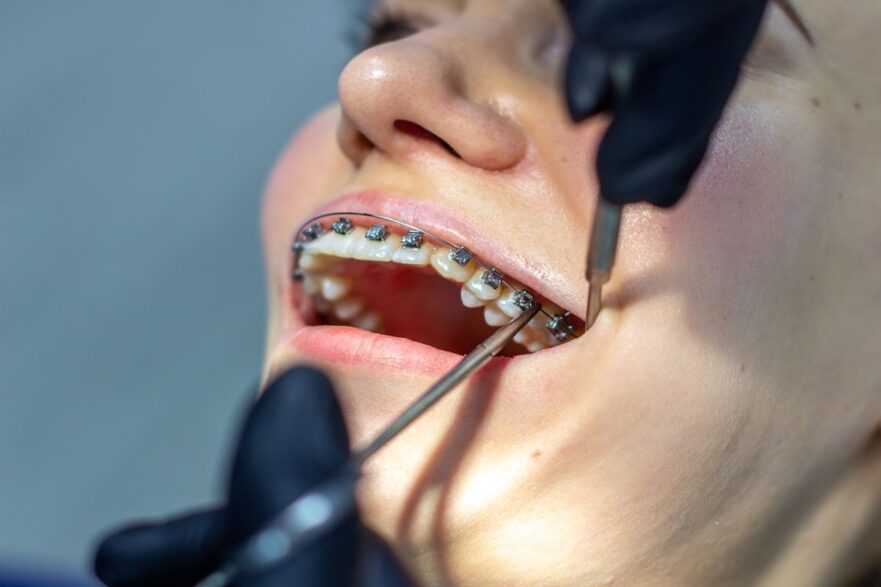
Gone are the days when braces were solely for teenagers. Today, a growing number of adults are embracing orthodontic treatment to achieve the straight, healthy smiles they’ve always wanted. Whether you’re addressing long-standing alignment issues, improving your oral health, or simply enhancing your aesthetic, there’s a dental braces option perfectly suited for your adult lifestyle. But with so many choices, how do you know which one is right for you?
This comprehensive guide will explain the most popular adult brace types, their pros and cons, and key factors to consider when deciding.
Why Are More Adults Getting Braces?
The reasons are varied and compelling. Many adults choose orthodontics to:
- Improve Oral Health: Straight teeth are easier to clean, reducing the risk of cavities, gum disease, and other oral health issues. Proper alignment can also alleviate jaw pain, headaches, and excessive tooth wear.
- Boost Confidence: A beautiful, aligned smile can significantly enhance self-esteem and social interactions.
- Address Lingering Issues: Some adults had braces as teenagers but experienced shifting, while others never had the opportunity to correct their bite or alignment problems until later in life.
- Prepare for Restorative Work: Orthodontics can prepare your teeth for crowns, bridges, or implants by creating optimal spacing and alignment.
Types of Braces for Adults
Modern orthodontics offers a diverse range of options, each with unique features.
1. Traditional Metal Braces
- What they are: These are the classic “train tracks” – small, high-grade stainless steel or titanium alloy brackets bonded to the front of your teeth, connected by a thin archwire. Elastic bands (ligatures) hold the wire in place.
- Pros:
- Highly Effective: Excellent for correcting a wide range of orthodontic issues, from mild to severe, including complex bite problems and significant crowding.
- Cost-Effective: Generally, the most affordable option.
- Durable: Very strong and less prone to breaking.
- No Compliance Issues: Since they are fixed, you don’t need to worry about remembering to wear them.
- Cons:
- Most Noticeable: Their metallic appearance is the most obvious, which can be a concern for adults seeking a discreet option.
- Potential Discomfort: Can cause initial irritation to cheeks and gums.
- Dietary Restrictions: Requires avoiding hard, sticky, and chewy foods.
- Oral Hygiene: Can be challenging to clean around the brackets and wires, requiring diligent brushing and flossing.
2. Ceramic Braces
- What they are: Similar to metal braces, but the brackets are made from clear or tooth-colored ceramic material, blending in with your natural teeth.
- Pros:
- Less Noticeable: A more aesthetic alternative to metal braces, popular with adults who want a subtler look.
- Effective: Works similarly to metal braces and can address most orthodontic issues.
- Cons:
- More Fragile: Ceramic can be more brittle and prone to chipping or breaking than metal.
- Can Stain: Clear or tooth-colored ligatures can stain certain foods and drinks (e.g., coffee, tea, curries), though clear or tooth-colored wires can minimize this.
- Slightly Larger: Brackets might be a bit larger than metal ones.
- Higher Cost: More expensive than traditional metal braces.
3. Lingual Braces
- What they are: These are custom-made braces placed on the inside (lingual side) of your teeth, making them virtually invisible from the front.
- Pros:
- Completely Invisible: The most discreet option, ideal for those who prioritize aesthetics above all else.
- Cons:
- Comfort: Can be uncomfortable initially as they rub against the tongue, potentially affecting speech (lisp) for a few weeks.
- Oral Hygiene: More challenging to clean due to their hidden placement.
- Cost: Generally, the most expensive option due to customization and specialized placement.
- Fewer Orthodontists Offer Them: Requires an orthodontist with specific training.
- Not for All Cases: May not be suitable for very severe bite issues or deep overbites.
4. Clear Aligners (e.g., Invisalign®)
- What they are: A series of custom-made, clear plastic trays that fit snugly over your teeth. Each set of aligners is worn for about 1-2 weeks before moving to the next set in the series, gradually shifting teeth into position.
- Pros:
- Virtually Invisible: Extremely discreet and difficult for others to notice.
- Removable: Can be removed for eating, drinking (anything other than water), brushing, and flossing, making oral hygiene much easier and allowing for no food restrictions.
- Comfort: Made of smooth plastic, generally more comfortable than traditional braces with less irritation to gums and cheeks.
- Fewer Emergency Visits: No wires or brackets to break.
- Digital Treatment Planning: You can often see a digital simulation of your expected results.
- Cons:
- Requires Discipline: Must be worn 20-22 hours a day for optimal results; lack of compliance can prolong or derail treatment.
- Not for All Cases: Best suited for mild to moderate misalignment and bite issues. Severe cases may still require traditional braces.
- Cost: Can be comparable to or more expensive than ceramic braces.
- Can Be Lost: Being removable means they can be misplaced.
- Need to Brush After Eating: To prevent food particles from being trapped, it’s recommended to brush before reinserting aligners after meals.
Factors to Consider When Choosing
Selecting the right braces involves a personalized approach. Here’s what to keep in mind:
- Severity of Your Case: For complex bite issues or severe crowding, traditional metal or ceramic braces might be more effective. Clear aligners are often ideal for mild to moderate corrections.
- Aesthetic Concerns: If discretion is a top priority, clear aligners or lingual braces are the most invisible options, followed by ceramic braces.
- Lifestyle and Habits: Are you disciplined enough to wear removable aligners for 20-22 hours daily? Do you mind dietary restrictions with fixed braces?
- Budget: Costs vary significantly. Metal braces are generally the most economical, while lingual braces and clear aligners tend to be at the higher end.
- Treatment Duration: While averages exist, your specific case will dictate the timeline. Some advanced brace types (like self-ligating braces, a variation of metal/ceramic) can sometimes offer slightly shorter treatment times.
- Oral Hygiene Commitment: Fixed braces require more meticulous cleaning. Removable aligners make cleaning easier but require you to consistently remove and clean both your teeth and the aligners.
- Orthodontist’s Recommendation: Ultimately, a qualified orthodontist will assess your unique dental needs, discuss your goals, and recommend the most suitable treatment plan. They can provide a comprehensive evaluation, including X-rays and digital scans, to determine the best course of action for you.
Conclusion
Embarking on an orthodontic journey as an adult is a significant investment in your oral health and confidence. There’s no one-size-fits-all answer to “which brace is right for you.” By understanding the different types of braces available – from traditional metal to discreet clear aligners – and carefully considering your personal preferences, budget, and the complexity of your case, you can make an informed decision. The most crucial step is to consult with an experienced orthodontist who can guide you toward the perfect solution for your new, radiant smile. It’s never too late to achieve the smile you’ve always dreamed of!
Ready to take the first step toward a straighter smile? We invite you to visit our dental office for a personalized consultation. You can book an appointment with our experienced orthodontic team today and discover which adult brace option is perfect for you.