

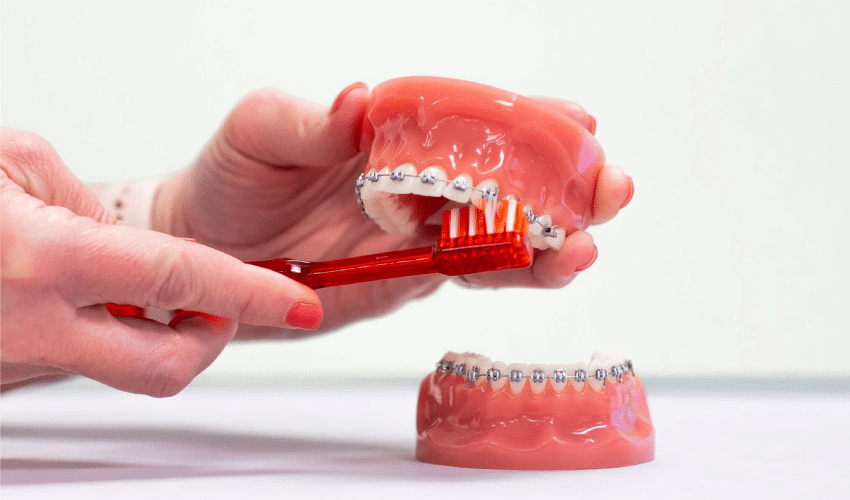
Orthodontic care is about far more than achieving a picture-perfect smile. It is a foundational part of long-term oral health, designed to align your teeth and jaws, improve bite function, prevent tooth decay, and reduce chronic jaw pain or speech difficulties. Many people ask themselves questions like, “Do I really need orthodontic treatment?” or “When is the right time to see a specialist?”
Whether you are considering traditional options for your teenager or exploring modern alternatives for yourself, recognizing the early signs of misalignment can save you time, discomfort, and extensive dental work down the road. This comprehensive guide will help you identify the most common indicators that you or someone in your family may benefit from professional care and explain what to expect when you schedule a consultation with an experienced orthodontist.
What Is Orthodontic Care and Why Does It Matter?
Orthodontic care focuses on diagnosing, preventing, and treating dental and facial irregularities. The ultimate goal goes well beyond cosmetics: properly aligned teeth and jaws support efficient chewing, make daily oral hygiene easier, reduce abnormal tooth wear, and improve overall confidence.
Today’s orthodontics offers a wide range of versatile solutions, from traditional metal brackets and discreet ceramic braces to advanced clear aligners like Invisalign, ensuring that treatment fits comfortably into your lifestyle.
8 Clear Signs You May Need Orthodontic Treatment
While only a trained professional can provide a definitive diagnosis, your body and your teeth often send subtle (or not-so-subtle) signals when something is out of alignment. Here are the most common signs that indicate it’s time to seek out expert orthodontic care:
1. Crooked, Overlapping, or Crowded Teeth
One of the most recognizable indicators is when teeth are visibly twisted, overlapping, or crammed together. When teeth lack adequate space to align normally, they crowd one another out. Beyond the visual impact, crowded teeth create tight, hard-to-reach spaces where dental floss and toothbrush bristles simply cannot fit. This drastically increases your risk of plaque accumulation, stubborn tartar, cavities, and gum disease.
2. Bite Misalignments (Overbite, Underbite, Crossbite, and Open Bite)
Bite irregularities occur when your upper and lower jaws do not fit together properly when your mouth is closed. Common types include:
- Overbite: The upper front teeth overlap significantly over the lower front teeth.
- Underbite: The lower jaw protrudes forward, causing the lower front teeth to sit in front of the upper teeth.
- Crossbite: One or more upper teeth bite on the inside of the lower teeth.
- Open Bite: There is a noticeable gap between the biting surfaces of the front or back teeth when the jaws are closed.
Left untreated, these bite issues can place uneven pressure on specific teeth, leading to premature enamel wear, fractured teeth, and chronic jaw strain.
3. Difficulty Chewing or Frequent Biting of the Cheek
Do you frequently experience discomfort or awkwardness when biting into hard or chewy foods? Do you accidentally bite the inside of your cheek or tongue while eating or talking? These functional challenges often point directly to an improper bite alignment that requires professional orthodontic intervention to correct.
4. Chronic Jaw Pain, Clicking, or TMJ Discomfort
If you wake up with a sore jaw, hear clicking or popping noises when opening and closing your mouth, or feel fatigue in your facial muscles, your temporomandibular joints (TMJ) may be under stress. Misaligned teeth and jaws force the muscles of mastication to work overtime, which can trigger tension headaches, neck stiffness, and persistent jaw discomfort.
5. Noticeable Gaps or Spaces Between Teeth
While a small diastema (gap) between the front teeth can be a charming facial feature, large or widespread gaps between multiple teeth can lead to issues with bite stability. Gaps often trap food debris easily, increasing gum irritation and making cleaning more tedious. Orthodontic treatment can gently close these spaces to establish a balanced, harmonious bite.
6. Speech Difficulties and Lisps
The position of your teeth and tongue plays an essential role in how you pronounce words and articulate sounds. Teeth that protrude excessively or leave large gaps can cause lisps or make certain consonant sounds difficult to pronounce clearly. Correcting dental alignment often noticeably improves speech clarity.
7. Habitual Mouth Breathing or Teeth Grinding (Bruxism)
Chronic mouth breathing, particularly in children, can negatively influence the growth and development of the jaw and dental arches. Furthermore, teeth grinding or jaw clenching (bruxism) is frequently linked to a misaligned bite. Addressing the underlying structural issues through targeted orthodontic treatment can help protect your tooth enamel from severe wear and tear.
8. Recurring Dental Issues Despite Excellent Hygiene
If you brush twice a day, floss daily, and maintain a healthy diet but still experience frequent cavities, gum inflammation, or localized gum recession, the root cause may be malocclusion (a bad bite). When teeth overlap or twist, standard brushing habits miss hidden areas where bacteria thrive.
The Benefits of Early Evaluation and Intervention
For children, the American Association of Orthodontists recommends scheduling an initial orthodontic evaluation by age 7. By this age, the permanent molars have usually erupted, allowing an orthodontist to detect subtle bite issues, jaw discrepancies, and crowding long before all baby teeth are lost. Early evaluation does not always mean immediate braces; often, it allows for proactive observation or interceptive treatment that can guide jaw growth and simplify future care.
However, orthodontic treatment is certainly not just for kids and teens. Millions of adults take charge of their oral health by seeking orthodontic care later in life. Thanks to discreet options like clear ceramic brackets and virtually invisible aligners, improving your smile as an adult is more convenient, subtle, and comfortable than ever before.
What to Expect When You Visit Our Dental Office
Taking the first step toward a healthier smile can feel exciting, and knowing what to expect can help put your mind at ease. When you schedule an initial visit to our dental office, our team will guide you through a welcoming, straightforward evaluation process:
- Comprehensive Examination: We perform a gentle, thorough visual check of your teeth, gums, and bite alignment.
- Advanced Imaging: Digital X-rays and high-resolution digital scans capture a precise 3D picture of your teeth and jaw structure, eliminating the need for messy traditional putty impressions.
- Personalized Consultation: Your specialist will sit down with you to discuss their findings, explain your treatment options clearly, and answer any questions you may have about timelines, appliances, or daily care.
- Customized Treatment Plan: We design a tailored roadmap specifically for your unique anatomy and aesthetic goals.
Frequently Asked Questions
1. How do I know if I need braces or just a regular dental checkup?
While your general family dentist monitors your overall dental health and looks for cavities, an orthodontist specializes specifically in the alignment of teeth and jaws. If you notice crooked teeth, bite discrepancies, jaw clicking, or uneven wear, consult an orthodontic specialist for a targeted evaluation.
2. Is orthodontic treatment painful?
Modern orthodontic care is designed with patient comfort in mind. While you may experience mild soreness or tenderness for a few days after getting braces placed or switching to a new set of aligners, this discomfort is temporary and easy to manage. It is a sign that your teeth are successfully shifting into their proper positions.
3. Can adults undergo orthodontic treatment?
Absolutely! There is no age limit for a healthy smile. A significant percentage of orthodontic patients today are adults who want to improve their dental function, alleviate jaw tension, or enhance their self-confidence.
4. How long does orthodontic treatment typically last?
Treatment duration varies depending on the complexity of your case, the type of appliance used, and how consistently you follow your orthodontist’s instructions. On average, comprehensive treatment ranges from 12 to 24 months.
Take the Next Step Toward Your Best Smile
If you are experiencing any of the signs outlined in this guide, or if you simply want professional peace of mind regarding your bite, there is no need to wait. Early detection leads to smoother, more efficient care and lifelong oral health benefits.
Ready to discover what a personalized alignment plan can do for you? Book an appointment with Compton Orthodontics today and take your first confident step toward a healthier, more radiant smile!