

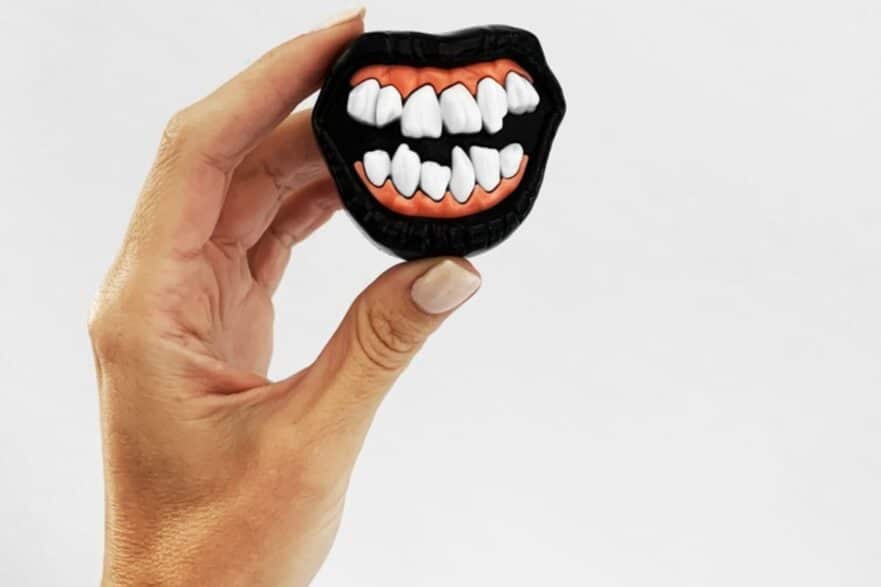
When you look in the mirror and notice a slightly rotated incisor, an overlapping front tooth, or a case of crowding along your lower arch, it is easy to view it as a purely cosmetic quirk. Many people think of crooked teeth as nothing more than a minor visual imperfection, something that gives a smile unique character or individuality.
However, beneath the surface, tooth alignment plays a fundamental role in your overall oral health and bodily well-being. Teeth that are crowded, crooked, or misaligned can create a domino effect of oral complications that extend far beyond a less-than-perfect appearance.
Understanding why crowded teeth can cause bigger dental problems highlights why proactive care matters. Addressing alignment issues early with the help of an experienced orthodontist does more than just straighten your smile; it protects your long-term health, preserves your natural teeth, and saves you from costly and invasive procedures down the road.
1. The Hidden Trap: Plaque Accumulation and Gum Disease
One of the most immediate and widespread consequences of crowded or overlapping teeth is the challenge it creates for your daily hygiene routine.
When teeth overlap tightly, twist, or crowd together, they create microscopic, hard-to-reach crevices. Your toothbrush bristles and standard string floss simply cannot maneuver into these tight angles. Over time, this leads to a dangerous buildup of dental plaque and hardened tartar in areas you cannot easily see or clean.
- Localized Gingivitis: Plaque harbors millions of bacteria that irritate the surrounding gum tissues. When these bacteria accumulate unchecked between crowded teeth, the gums often become red, swollen, and prone to bleeding- the classic early signs of gingivitis.
- Periodontal Disease: If gingivitis is left untreated, it can advance into full-blown periodontal disease. This chronic bacterial infection destroys the supportive bone and soft tissue holding your teeth in place. Over years, severe gum disease caused by unaddressed crowding can lead to loose teeth, gum recession, and even tooth loss.
2. Increased Risk of Tooth Decay and Cavities
Plaque doesn’t just attack your gums; it also wages a relentless war against your tooth enamel. The bacteria trapped between misaligned or twisted teeth feed on leftover food particles, producing acid as a byproduct.
Because crowded teeth overlap, these acids sit directly against neighboring tooth surfaces for extended periods without saliva’s natural buffering ability washing them away. This creates a high-risk environment for interproximal cavities—decay that forms precisely on the sides of the teeth where they touch.
Treating these cavities often requires complex fillings between teeth, and if the decay progresses deep into the nerve, you may end up needing root canal therapy or crowns. Ensuring proper alignment allows your saliva to naturally circulate and clean your teeth, significantly lowering your vulnerability to sudden decay.
3. Abnormal Wear, Tear, and Tooth Fractures
Your bite is a complex mechanical system. Every time you chew, speak, or swallow, your upper and lower teeth should fit together in a balanced, harmonious relationship—known medically as an ideal occlusion.
When teeth are crooked or misaligned, the biting forces are distributed unevenly across your dental arch. Certain teeth end up bearing the brunt of your jaw’s powerful closing pressure, while others miss out entirely.
- Premature Enamel Erosion: Teeth that absorb excessive pressure experience rapid, unnatural wear and tear. Over time, this wears down the protective enamel layer, exposing the softer dentin underneath and making teeth sensitive to hot, cold, and sweet foods.
- Chips and Fractures: Stressed, thin enamel on crooked teeth is vastly more susceptible to cracking, chipping, or fracturing when biting down on something hard.
- Cosmetic Degradation: Beyond structural damage, uneven wear can make teeth look prematurely aged, shortened, or unevenly shaped.
4. Temporomandibular Joint (TMJ) Disorders and Chronic Headaches
Your jaw is controlled by a sophisticated hinge and sliding mechanism known as the temporomandibular joint (TMJ), supported by a complex network of facial and neck muscles.
When your teeth do not fit together properly due to crowding or a misaligned bite, your jaw is forced to compensate. Every time you bite down, your jaw muscles may unconsciously strain to find a comfortable resting position, leading to chronic muscle fatigue and tension.
This continuous strain can trigger a cascade of uncomfortable symptoms, commonly referred to as TMJ disorders (TMD):
- Persistent pain or tenderness in the jaw joints (just in front of your ears)
- Frequent tension headaches, often starting at the temples or base of the skull
- Clicking, popping, or grating sounds when opening and closing your mouth
- Stiffness and difficulty chewing or opening the mouth fully
- Pain radiating into the neck, shoulders, and even ears
By realigning your teeth into a balanced, harmonious bite, comprehensive orthodontic treatment relieves the unnatural stress placed on your jaw joints and muscles, often bringing profound relief from chronic headaches and discomfort.
5. Breathing, Digestion, and Overall Wellness
It may surprise you to learn that the alignment of your teeth and jaws can influence functions as fundamental as breathing and digestion.
Severe crowding, particularly in narrow dental arches, can sometimes restrict the space available for the tongue or impact overall airway dimensions. Restricted airways are frequently linked to sleep-disordered breathing, including snoring and obstructive sleep apnea (OSA)—a serious condition that disrupts sleep quality and places strain on the cardiovascular system.
Furthermore, proper digestion begins in the mouth. When teeth are crooked or painful due to malocclusion, you may subconsciously avoid chewing certain nutritious foods like raw vegetables, crunchy fruits, and tough proteins. Inadequate chewing forces your stomach and digestive tract to work harder to break down food, which can lead to digestive discomfort and less efficient nutrient absorption.
6. The Psychological Impact of a Smile You Want to Hide
While the physical consequences of crooked or crowded teeth are substantial, the emotional toll should never be overlooked. A smile is one of our primary tools for social interaction, self-expression, and professional confidence.
Many individuals with crowded teeth find themselves developing habits to hide their smile, such as covering their mouths when laughing, smiling tightly with closed lips in photographs, or feeling self-conscious during job interviews and social gatherings.
Investing in a straight, healthy smile does wonders for your self-esteem. When you no longer have to worry about the appearance of your teeth, you project confidence, warmth, and ease in every aspect of your life.
The Good News: Modern Solutions Are Comfortable and Accessible
The wonderful reality of modern dentistry and orthodontics is that you do not have to live with the risks and discomforts of crowded teeth. Whether you are looking into options for a child, a teenager, or yourself as an adult, today’s treatments are more comfortable, efficient, and discreet than ever before.
From advanced traditional metal brackets and clear ceramic braces to smooth, removable aligners like Invisalign, modern technology ensures that achieving a functional, beautiful smile fits seamlessly into your lifestyle. A customized treatment plan targets the root cause of your crowding, straightening your teeth, aligning your bite, and protecting your long-term oral health.
Take the Next Step Toward a Healthier Smile
If you are dealing with crowded, crooked, or misaligned teeth, ignoring the issue will only allow the underlying problems to compound over time. Protecting your dental health, relieving jaw strain, and achieving the confident smile you deserve start with a professional evaluation.
The friendly and experienced team at Compton Orthodontics is here to guide you through every step of your smile journey. Whether you are curious about early intervention for your child or modern aligners for yourself, we provide personalized care tailored to your unique goals.
Don’t wait for minor crowding to turn into major dental complications. Book an appointment with Compton Orthodontics today and take the first step toward a healthier, more radiant smile!
Frequently Asked Questions
1. Are crooked teeth just a cosmetic issue, or do they truly impact health?
While they certainly alter appearance, crooked teeth are much more than a cosmetic concern. They create tight spaces that trap plaque, leading to a significantly higher risk of gum disease, tooth decay, abnormal enamel wear, and even chronic jaw pain or TMJ disorders.
2. At what age should a child first see an orthodontist?
The American Association of Orthodontists recommends that children have their initial orthodontic evaluation by age 7. By this time, enough permanent teeth have erupted to allow an orthodontist to spot subtle problems with jaw growth and emerging tooth crowding, even while baby teeth are still present.
3. Can adults undergo orthodontic treatment, or is it only for teenagers?
It is never too late to straighten your teeth! Millions of adults undergo orthodontic care every year. With discreet options like clear aligners and tooth-colored ceramic brackets, adult treatment is discreet, highly effective, and completely tailored to mature bone structures.
4. How does orthodontic treatment prevent cavities and gum disease?
When teeth are properly aligned and spaced evenly, your toothbrush and floss can easily reach every surface. Eliminating tight, overlapping crevices removes the hidden traps where plaque and tartar accumulate, making your daily hygiene routine drastically more effective at preventing decay and gum inflammation.