

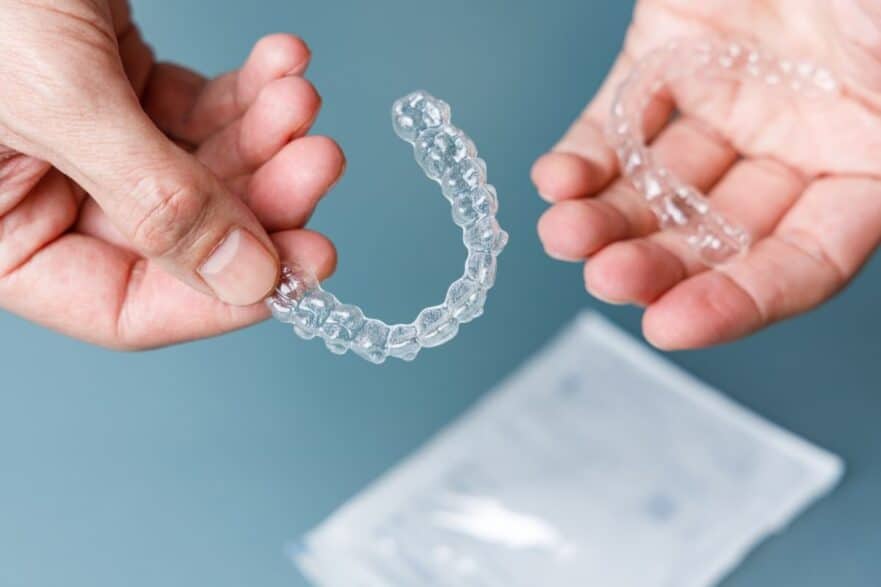
Parents often wonder when the right time is to begin orthodontic care for their children. One of the most common questions we hear at Compton Orthodontics is: “What is the earliest age for Invisalign?” As clear aligners continue to grow in popularity, many families want to know whether younger children can benefit from this modern orthodontic solution.
The good news is that Invisalign has become a highly effective option for both teens and younger patients in certain cases. However, determining the right age depends on several important factors, including dental development, oral health, and orthodontic needs.
In this blog, we’ll explain the earliest age for invisalign, how invisalign treatment works for kids and teens, and when it may be the right option for your child.
Understanding Invisalign Treatment
Invisalign is a modern orthodontic system that uses a series of clear, removable aligners to gradually shift teeth into proper alignment. Unlike traditional braces, invisalign aligners are nearly invisible and designed for comfort and convenience.
Each aligner is custom-made to fit the patient’s mouth and is typically worn for about one to two weeks before moving to the next set in the series. Over time, the teeth slowly move into their desired positions.
Many patients choose invisalign because it offers:
- A discreet appearance
- Comfortable fit with no metal brackets
- Easier brushing and flossing
- Fewer food restrictions
- Convenience for sports and activities
While invisalign was originally designed for adults, advancements in orthodontic technology have made it a suitable option for younger patients as well.
What Is the Earliest Age for Invisalign?
There is no exact minimum age requirement for invisalign treatment. However, most orthodontists recommend invisalign once a child has enough permanent teeth and demonstrates the maturity needed to wear the aligners consistently.
In many cases, children may begin Invisalign First treatment around ages 6 to 10. Invisalign First is specifically designed for younger patients who still have a mix of baby teeth and permanent teeth.
This early phase of orthodontic care can help guide jaw development, create room for incoming permanent teeth, and address issues before they become more severe.
For traditional invisalign treatment, many patients begin during their teenage years, usually between ages 11 and 14, when most permanent teeth have erupted.
What Is Invisalign First?
Invisalign First is a specialized version of invisalign designed for children in Phase 1 orthodontic treatment. It addresses early orthodontic problems while the child’s mouth and jaw are still developing.
This treatment may help correct:
- Crowded teeth
- Spacing issues
- Narrow dental arches
- Minor bite problems
- Teeth that are erupting incorrectly
By starting treatment early, orthodontists can often reduce the complexity of future orthodontic care.
At Compton Orthodontics, we carefully evaluate each child’s smile development to determine whether Invisalign First or another treatment option would be most beneficial.
Signs Your Child May Need Early Orthodontic Treatment
Every child develops differently, but there are several signs that may indicate it’s time to schedule an orthodontic evaluation.
You may want to visit our dental office if your child has:
- Crowded or overlapping teeth
- Early or late loss of baby teeth
- Difficulty chewing or biting
- Mouth breathing habits
- Jaw shifting or clicking
- Thumb-sucking habits that affect teeth
- Teeth that protrude significantly
- Bite alignment issues
The American Association of Orthodontists recommends that children have their first orthodontic evaluation by age 7. Even if treatment is not immediately necessary, early monitoring can help identify potential problems before they worsen.
Is Invisalign Better Than Braces for Kids?
The answer depends on the individual patient. Invisalign offers many advantages for children and teens, but it also requires responsibility and commitment.
Benefits of Invisalign for Younger Patients
Nearly Invisible Appearance
Many kids and teens appreciate that invisalign aligners are clear and difficult to notice. This can help boost confidence during treatment.
Improved Comfort
Since there are no metal brackets or wires, invisalign treatment tends to cause less irritation to the cheeks and gums.
Easier Oral Hygiene
Aligners can be removed while brushing and flossing, making it easier to maintain good oral health throughout treatment.
No Major Food Restrictions
Unlike braces, invisalign allows patients to remove aligners while eating. This means children can still enjoy popcorn, crunchy snacks, and other favorite foods.
Fewer Emergency Visits
Broken brackets and poking wires are common issues with braces. Invisalign aligners generally require fewer emergency orthodontic visits.
Challenges of Invisalign for Children
Although invisalign offers many benefits, it may not be ideal for every child.
Requires Responsibility
Aligners must be worn 20 to 22 hours per day for treatment to be effective. Younger children who frequently forget or lose aligners may struggle with compliance.
Removable Aligners
Because aligners can be removed, some children may be tempted to leave them out for long periods.
Not Suitable for All Cases
Certain severe orthodontic problems may still require traditional braces or other orthodontic appliances.
At Compton Orthodontics, we help families determine whether invisalign treatment is the right fit based on the child’s specific needs and lifestyle.
How Long Does Invisalign Treatment Take?
Treatment time varies depending on the complexity of the orthodontic issues being corrected.
For younger children using Invisalign First, treatment may last anywhere from 6 to 18 months during the initial phase.
Teen and adult invisalign treatment often ranges from 12 to 24 months.
Factors that influence treatment time include:
- Severity of crowding or bite issues
- Consistency in wearing aligners
- Overall oral health
- Growth and jaw development
Following your orthodontist’s instructions carefully can help ensure the best possible results in the shortest amount of time.
What Happens During the Invisalign Consultation?
The first consultation is an important step in determining whether invisalign is appropriate for your child.
During the appointment, the orthodontic team will:
- Examine the teeth and jaw
- Review bite alignment
- Take digital scans or X-rays
- Discuss treatment goals
- Explain recommended treatment options
Digital imaging technology often allows patients to preview potential smile improvements before treatment even begins.
This personalized evaluation helps families make informed decisions about their child’s orthodontic care.
Why Early Orthodontic Care Matters
Early orthodontic evaluations can provide significant long-term benefits. Addressing issues during growth and development may reduce the need for more extensive treatment later in life.
Benefits of early treatment may include:
- Better jaw alignment
- Improved facial development
- Reduced risk of tooth damage
- Easier eruption of permanent teeth
- Enhanced oral function
- Increased confidence
Even if immediate invisalign treatment is not needed, regular orthodontic monitoring can help ensure your child’s smile develops properly.
Invisalign for Teens
Teenagers are among the most common invisalign patients today. Invisalign Teen was specifically created to accommodate the needs of growing adolescents.
Features may include:
- Compliance indicators to track wear time
- Replacement aligners
- Room for erupting teeth
Teens often appreciate the flexibility and appearance of invisalign, especially during school activities, sports, and social events.
For many families, invisalign offers an excellent balance of aesthetics, comfort, and effectiveness.
Choosing the Right Orthodontic Provider
Selecting an experienced orthodontic provider is essential for successful invisalign treatment. A skilled orthodontist can evaluate growth patterns, monitor progress, and customize treatment to achieve optimal results.
At Compton Orthodontics, we are committed to helping children, teens, and adults achieve healthy, confident smiles through personalized orthodontic care.
Our team takes the time to educate patients and create customized treatment plans designed around each individual’s needs.
Schedule an Invisalign Consultation at Compton Orthodontics
If you are wondering whether your child is ready for invisalign treatment, the team at Compton Orthodontics is here to help. Early orthodontic evaluations can make a major difference in your child’s long-term oral health and confidence.
We proudly provide personalized orthodontic care in a welcoming, family-friendly environment. Whether your child may benefit from Invisalign First or traditional invisalign treatment, we’ll guide you through every step of the process.
Visit our dental office today to learn more about treatment options for your child’s smile.
Frequently Asked Questions
1. What is the youngest age for invisalign?
Some children may begin Invisalign First treatment as early as age 6 or 7, depending on their dental development and orthodontic needs.
2. Does my child need all permanent teeth for invisalign?
No. Invisalign First is specifically designed for children who still have a mix of baby and permanent teeth.
3. Is invisalign painful for kids?
Most patients experience mild pressure when switching to new aligners, but invisalign is generally considered more comfortable than traditional braces.
4. How many hours per day should aligners be worn?
Aligners should typically be worn 20 to 22 hours per day for the best results.
5. Can my child eat with invisalign?
Aligners should be removed before eating or drinking anything other than water.
6. Is invisalign more expensive than braces?
Costs vary depending on the complexity of treatment, but invisalign is often comparable in price to traditional braces.