

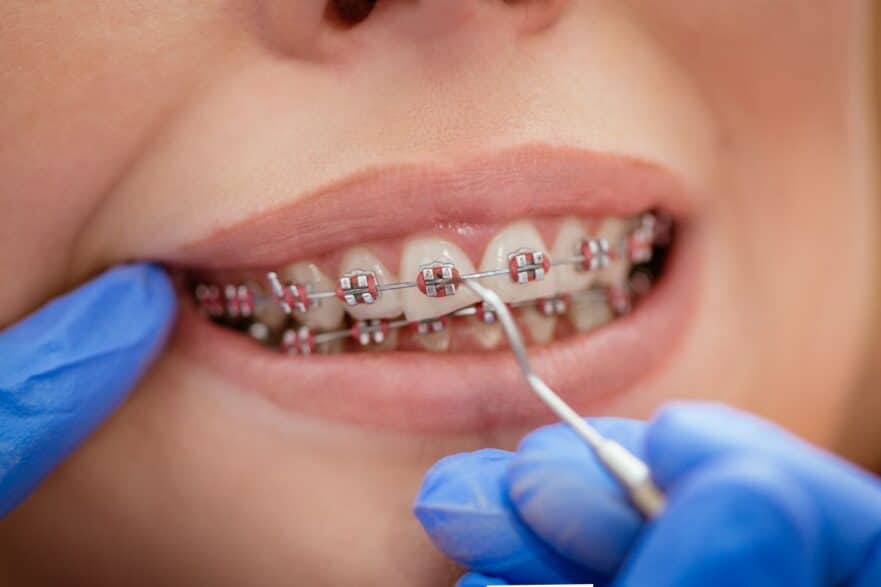
Correcting malocclusion with braces is a common orthodontic treatment aimed at improving the alignment of teeth and the bite. The duration of treatment can vary widely depending on several factors, including the severity of the malocclusion, the type of braces used, and the patient’s age and compliance with treatment protocols. Understanding the time frame for correcting malocclusion can help you set realistic expectations and stay motivated throughout the process.
Factors Affecting Treatment Time
- Severity of Malocclusion:
- The more complex the misalignment, the longer it typically takes to correct. Mild cases of malocclusion may be corrected in as little as 6 to 12 months, while more severe cases may require 18 to 30 months or more.
- The more complex the misalignment, the longer it typically takes to correct. Mild cases of malocclusion may be corrected in as little as 6 to 12 months, while more severe cases may require 18 to 30 months or more.
- Type of Braces:
- The type of braces chosen can also influence the treatment duration. Traditional metal braces are generally effective for a wide range of malocclusions and might work faster in some cases. Clear aligners, like Invisalign, are popular for their aesthetic appeal and comfort, but they may take longer for more severe cases. Lingual braces, which are placed on the inside of the teeth, can also require a longer treatment period due to their customized design.
- The type of braces chosen can also influence the treatment duration. Traditional metal braces are generally effective for a wide range of malocclusions and might work faster in some cases. Clear aligners, like Invisalign, are popular for their aesthetic appeal and comfort, but they may take longer for more severe cases. Lingual braces, which are placed on the inside of the teeth, can also require a longer treatment period due to their customized design.
- Patient’s Age:
- Younger patients, particularly those still in their teenage years, often experience faster treatment times. This is because their jaws are still growing, making it easier to guide the teeth into their correct positions. Adults, while fully capable of achieving excellent results, may require slightly longer treatment times due to the maturity of their bone structure.
- Younger patients, particularly those still in their teenage years, often experience faster treatment times. This is because their jaws are still growing, making it easier to guide the teeth into their correct positions. Adults, while fully capable of achieving excellent results, may require slightly longer treatment times due to the maturity of their bone structure.
- Compliance with Treatment:
- Following the orthodontist’s instructions plays a significant role in the length of treatment. Regular adjustments, wearing rubber bands or headgear as prescribed, and maintaining good oral hygiene are crucial. Missing appointments or not adhering to treatment guidelines can extend the time needed to achieve the desired results.
Average Treatment Duration
On average, most patients can expect to wear braces for about 18 to 24 months. However, this time frame can vary based on the factors mentioned above. Your orthodontist will provide a more accurate estimate during your initial consultation, based on your specific condition and treatment plan.
The Importance of Patience
While it may seem like a long time, the duration of wearing braces is a small investment for a lifetime of improved oral health and confidence. It’s important to remain patient and committed to the process. Regular check-ups with your orthodontist will ensure that your treatment is progressing as planned and allow for any necessary adjustments.
After Braces: The Retention Phase
After your braces are removed, you’ll enter the retention phase of treatment, which is crucial for maintaining your new smile. Retainers will be provided to help keep your teeth in their new positions. The length of time you’ll need to wear a retainer varies, but many patients wear them full-time for several months, followed by nightly wear indefinitely to prevent any shifting.
Conclusion
Correcting malocclusion with braces is a process that requires time and dedication. While the treatment duration can vary, understanding the factors that influence it can help you set realistic expectations. By staying committed to your orthodontist’s guidance and maintaining good oral hygiene, you’ll be well on your way to achieving a beautifully aligned smile.