

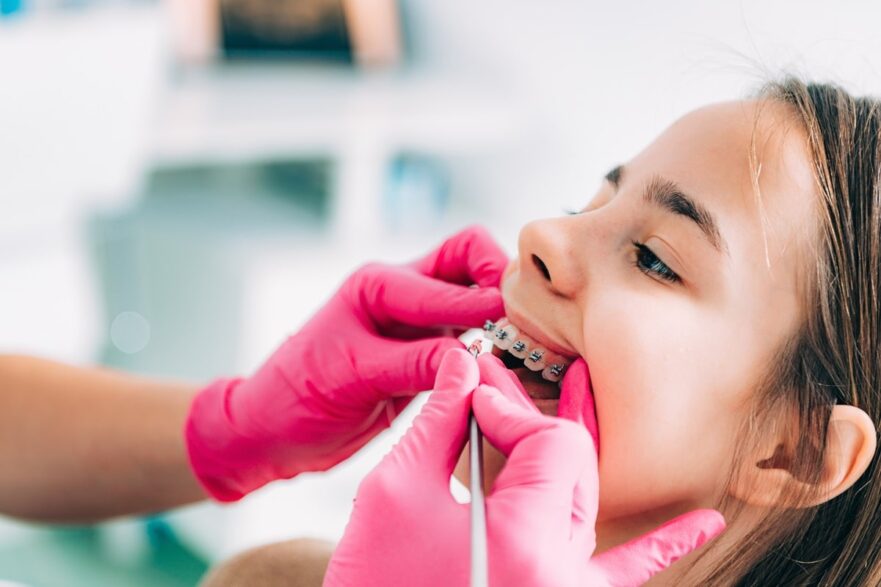
As parents, we are always keeping a watchful eye on our children. From their first wobbly steps to their first day of school, we want to make sure they are healthy and thriving. When it comes to their oral health, it’s easy to feel confident when their teeth look straight and their smiles are bright.
So, when your family dentist, someone you trust with your child’s care, mentions that it might be time to visit an orthodontist, it can come as a surprise. You might find yourself thinking, “But their teeth look perfectly fine! Why do we need to see a specialist?”
It is a common question, and the answer is rooted in one of the most important aspects of dental health: looking beyond the surface. At Compton Orthodontics, we work with families across Bowling Green, Russellville, Tompkinsville, and Scottsville every day, and we often help parents understand the difference between a smile that looks straight and a smile that is functionally healthy.
The Difference Between a Dentist and an Orthodontist
To understand why your child has been referred, it helps to distinguish between the two roles. Your family dentist is the primary guardian of your child’s oral health. They monitor for cavities, ensure the gums are healthy, and handle routine cleanings. They are experts in maintaining the overall wellness of the mouth.
An orthodontist, on the other hand, is a specialist. After graduating from dental school, an orthodontist undergoes several additional years of rigorous, specialized training focused specifically on the development of the teeth, jaws, and bite. While your dentist keeps everything healthy, an orthodontist looks at the “architecture” of your child’s mouth to ensure everything is growing and aligning in a way that will support them for a lifetime.
Why “Looking Fine” Isn’t the Whole Story
When an orthodontist evaluates a child, we aren’t just looking at how the front teeth look in a mirror. We are looking at several complex factors that aren’t always visible to the naked eye:
1. The Bite (Occlusion)
A “bite” refers to how the upper and lower teeth come together. A child might have teeth that appear straight, but they could have an underlying crossbite, underbite, or overbite. If these issues aren’t addressed during the developmental years, they can lead to uneven tooth wear, jaw pain, and even difficulties with chewing or speaking as your child gets older.
2. Jaw Development
Children go through significant growth spurts. Sometimes, the upper and lower jaws do not grow at the same rate. An orthodontist can identify if a child’s jaw is too narrow or if there is an imbalance that could lead to crowding later on. By intervening early, we can often guide the growth of the jaw, which can prevent the need for more invasive treatments, like extractions, in the future.
3. Hidden Crowding
Even if your child’s front teeth look beautiful, there may not be enough room in the jaw for their permanent teeth to emerge properly. This hidden crowding can cause teeth to erupt in the wrong places or become severely impacted. Addressing this early creates the necessary “real estate” for those permanent teeth to come in straight and healthy.
4. Airway and Breathing Concerns
Believe it or not, the position of the teeth and the shape of the jaw can impact a child’s airway. Some issues, such as a narrow palate, can contribute to breathing difficulties or sleep-related issues. An orthodontist looks at the big picture to ensure the oral structure is supporting optimal health.
The Power of Early Evaluation
The American Association of Orthodontists recommends that children have their first screening by age seven. At this age, your child has a mix of baby teeth and permanent teeth, providing the perfect window of opportunity for an orthodontist to assess how their development is progressing.
Early orthodontic treatment doesn’t always mean your child needs braces immediately. In fact, many of the children we see simply go on a “growth observation” program. We monitor them every few months, keeping a close eye on their development. If and when the time is right to intervene, we are already familiar with their unique anatomy and can provide the most efficient, effective care.
When we do provide treatment for children, it’s often about “interceptive” orthodontics – using simple appliances to guide growth before it’s too late. It is a proactive approach that makes the entire journey toward a beautiful smile much easier for the child.
What to Expect at Compton Orthodontics
If you’ve received a referral, please know that it is a positive step toward your child’s long-term wellness. Our team at Compton Orthodontics is dedicated to making the experience comfortable, educational, and even fun.
When you visit our dental office for an orthodontic consultation, we don’t believe in a “one-size-fits-all” approach. We take the time to conduct a thorough evaluation, explain what we see in plain language, and answer every single one of your questions. We want you to feel confident and informed about your child’s dental health.
Start Your Child’s Smile Journey Today
Your child’s smile is a gateway to their confidence and health. Even if everything looks great, a professional evaluation provides peace of mind and ensures that no hidden issues are left to develop further.
At Compton Orthodontics, we are proud to serve families in Bowling Green, Russellville, Tompkinsville, and Scottsville with compassionate, expert care. We invite you to join our family and see why so many parents trust us with their children’s smiles.
Ready to get started? We would love to meet you and your child. Book an appointment today for a complimentary consultation. Let’s work together to ensure your child has a healthy, beautiful smile that will last a lifetime.
Frequently Asked Questions
1. Does a referral mean my child definitely needs braces?
Not at all! Many children are referred simply for a screening. Often, the best course of action is to monitor your child’s growth and wait for the right moment to begin any necessary treatment.
2. Is orthodontics just about cosmetics?
While we love creating beautiful smiles, the primary goal of orthodontics is functional health. A properly aligned bite makes it easier to clean teeth, reduces the risk of gum disease, improves chewing function, and prevents abnormal wear on tooth enamel.
3. Why is age seven the “magic number”?
By age seven, enough permanent teeth have usually erupted to allow an orthodontist to diagnose subtle problems with jaw growth and emerging teeth. Addressing these issues early can lead to better long-term outcomes and often shorter treatment times later.
4. Does my child need to stop seeing their regular dentist?
Absolutely not. You should continue to see your family dentist for regular cleanings and check-ups. We work in tandem with your dentist to ensure your child’s oral health is supported from all angles.