

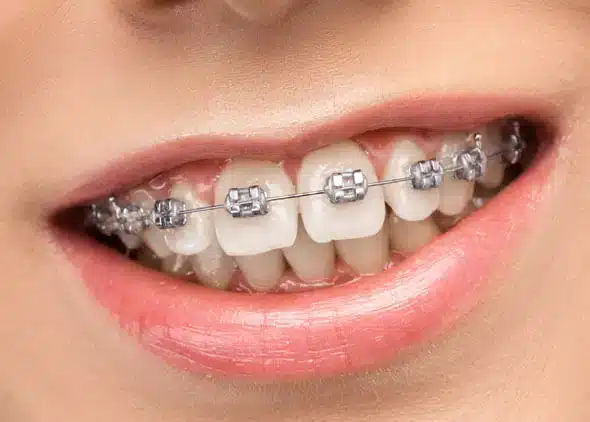
Embarking on the journey toward a straighter, healthier smile is an exciting milestone. Whether you are a teenager stepping into your first set of traditional dental braces or an adult exploring modern orthodontic solutions, the end goal is always worth the minor adjustments along the way. However, life with hardware can occasionally throw a curveball. Picture this: you are enjoying a relaxing evening at home, biting into a snack, and suddenly, a wire starts poking your cheek, or a bracket decides to pop loose.
When an unexpected orthodontic hiccup happens outside of regular office hours, it is completely normal to feel a brief wave of panic. But take a deep breath! The vast majority of orthodontic issues are not true emergency medical situations; rather, they are manageable inconveniences. Knowing how to handle these situations safely using items you likely already have around the house can provide immediate relief until you can comfortably visit our dental office for professional care.
At Compton Orthodontics, serving families across Bowling Green, Russellville, Tompkinsville, and Scottsville, we want you to feel confident and empowered throughout your entire treatment journey. Let’s break down how you can troubleshoot common braces complications right from your living room.
1. Understanding What Constitutes a True Orthodontic Emergency
Before diving into DIY fixes, it helps to distinguish between a true emergency and a routine annoyance that can wait until the next business day.
- True Emergencies: These involve severe, unmanageable pain, significant trauma or injury to your teeth, face, or jaw, or a severe infection/swelling of the gums and oral tissues. If you experience these, seek immediate medical attention or contact our office right away.
- Minor Emergencies (Home Care Friendly): These include loose brackets, protruding or poking wires, lost rubber O-rings, or mild irritation of the cheeks and gums. These can typically be managed safely at home using temporary measures before you call to book an appointment.
2. Dealing with a Poking or Protruding Archwire
One of the most frequent complaints during braces treatment is a wire that shifts slightly, poking into the delicate tissue of your inner cheek or gum line. This can quickly cause raw spots if left unattended.
Step-by-Step Home Solution:
- The Eraser Trick: Take a clean pencil with a rubber eraser on the end. Gently and carefully use the eraser to push the offending wire back against the teeth or flush into a comfortable position where it is no longer irritating your cheek.
- Orthodontic Wax to the Rescue: Dry the poking wire and the surrounding area with a clean tissue or cotton swab. Take a small pea-sized ball of orthodontic wax, roll it between your fingers, and press it firmly over the end of the wire. This creates a smooth, protective barrier between the metal and your oral tissue.
- What NOT to do: Never attempt to cut the wire with household scissors, fingernail clippers, or wire cutters. You risk swallowing the clipped piece of metal or accidentally damaging neighboring brackets. If the wire is unbearably long and wax won’t hold, call us to schedule a quick adjustment.
3. Managing a Loose Bracket or Band
Brackets are attached to your teeth using a specialized dental adhesive designed to withstand normal chewing forces. However, eating sticky, hard, or crunchy foods or taking a rogue hit during sports can cause a bracket to break free from the tooth surface.
If the bracket is still sliding around on the wire, leave it be. Don’t try to pull it off forcefully or twist it completely off the wire, as this can distort the archwire alignment.
Step-by-Step Home Solution:
- Ease the Movement: If the loose bracket is flipping around and causing friction, use clean tweezers to gently guide it back into its upright orientation along the wire.
- Apply Relief Wax: Cover the loose bracket with orthodontic wax to keep it stable and stop it from rubbing against your inner lips.
- Call for Backup: A loose bracket means that tooth is temporarily not receiving active pressure. Reach out to our team as soon as possible so we can re-secure it and keep your treatment timeline on track.
4. Soothing Soreness, Irritation, and Mouth Sores
When you first get your hardware installed, or immediately following a routine tightening adjustment, it is entirely normal to experience generalized soreness of the teeth and tenderness in the soft tissues of your mouth. Your cheeks and lips need time to toughen up against the new appliances.
Step-by-Step Home Solution:
- Warm Saltwater Rinses: Mix half a teaspoon of salt into a glass of warm water. Swish the solution gently around your mouth for 30 seconds and spit it out. This classic remedy cleanses the area, reduces localized inflammation, and naturally heals minor canker sores or raw spots.
- Stick to Soft Foods: Give your jaw a temporary break by eating softer foods for a day or two—such as yogurt, mashed potatoes, soups, smoothies, and scrambled eggs. Avoid crunchy, sharp, or acidic foods that might aggravate tender gums.
- Over-the-Counter Relief: If appropriate for your health history, standard over-the-counter pain relievers like ibuprofen or acetaminophen can help manage initial adjustment discomfort. Always consult your primary care provider or pediatrician if you have questions about appropriate dosages.
5. What to Do If a Ligature (Rubber Band) Comes Off
Tiny rubber rings (ligatures) or small wire ties hold your archwire securely inside the slot of each individual bracket. Occasionally, one of these little pieces may pop off or go missing.
- Don’t Panic: If a single rubber tie falls off, it is rarely an emergency. Note which tooth is missing the tie, and check to see if you accidentally swallowed it (do not worry, swallowing a small orthodontic rubber band is generally harmless and will pass naturally).
- When to Call: If you lose multiple ties or if the main archwire starts sliding completely out of place because of missing ties, contact our friendly team to let us know. We can easily slide a replacement tie back on during a brief office visit.
Prevention is Key: Protecting Your Smile
While accidents happen, you can dramatically lower your chances of experiencing a braces emergency by following a few simple preventative habits:
- Avoid Prohibited Foods: Steer clear of sticky candies (caramels, taffy, gummy bears), hard items (ice cubes, hard candies, unpopped popcorn kernels), and chewy crusts (bagels, hard crusty bread).
- Wear a Mouthguard: If you participate in contact sports or recreational physical activities, always wear a custom-fitted athletic mouthguard designed to protect both your teeth and your orthodontic appliances.
- Mind Your Habits: Break unconscious habits like chewing on pencils, pens, or fingernails, which exert unnatural pressure on brackets and wires.
When to Reach Out to Our Team
Home care techniques are fantastic for bridging the gap and keeping you comfortable, but they are only temporary fixes. Whenever you experience a broken appliance, persistent pain, or a sharp component that refuses to stay covered with wax, the best course of action is always professional intervention.
If you live in or around Bowling Green, Russellville, Tompkinsville, or Scottsville, our expert team at Compton Orthodontics is always here to help you navigate your smile journey with confidence. Do not hesitate to reach out to our office to ask questions, report an issue, or book an appointment so we can get your smile back on track safely and swiftly.
Frequently Asked Questions
1. Can I eat normally if a bracket comes loose?
It is best to stick to soft foods if you have a loose bracket to prevent further damage or accidental swallowing. Avoid hard, crunchy, or chewy items until you can come in for a quick repair.
2. Is it normal for my teeth to ache after an adjustment?
Yes, mild to moderate aching is completely normal for a day or two following an adjustment. This pressure means the hardware is actively working to align your teeth. Rinsing with warm saltwater and eating soft foods can help ease the tenderness.
3. What should I do if I swallow a piece of my braces?
While rare, accidentally swallowing a small rubber tie or a loose piece of wax usually passes harmlessly through the digestive system. However, if you experience any difficulty breathing, coughing, or sharp pain in your throat or chest, seek emergency medical evaluation immediately. For swallowed metal components without symptoms, call our office for guidance.