

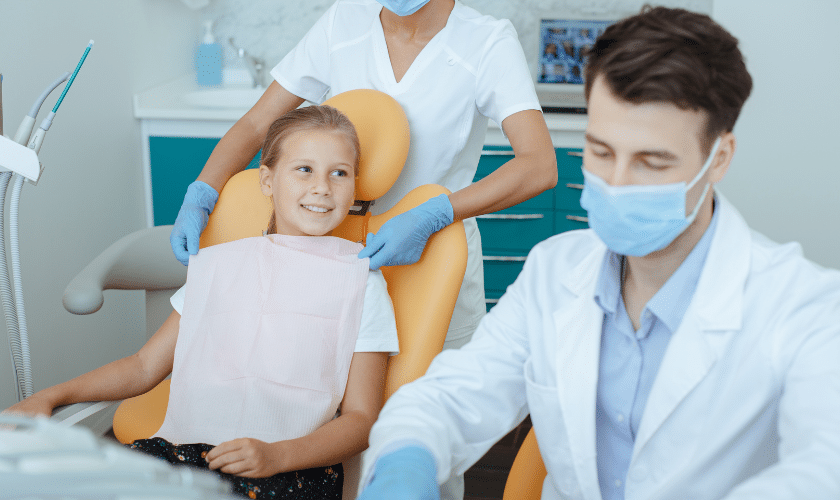
A beautiful smile not only boosts a child’s confidence but also plays a vital role in their overall health. Addressing malocclusions, commonly known as “bad bites,” at an early age is crucial to ensure proper dental development and prevent potential complications later in life. In this blog, we will explore the significance of early orthodontic intervention for malocclusions in young children and how it can positively impact their oral health.
Understanding Malocclusions in Young Children
Malocclusions refer to the misalignment of the teeth and jaws, disrupting the way the upper and lower teeth fit together when the mouth is closed. Common malocclusions include overbites, underbites, crossbites, and crowded or crooked teeth. Such issues can arise due to various factors like genetics, thumb-sucking habits, early loss of baby teeth, or prolonged use of pacifiers.
Benefits of Early Orthodontic Intervention
Here are some of the benefits:-
Preventing Dental Complications:
Early orthodontic intervention helps in guiding the growth of the jaw and aligning the teeth properly. This prevents potential dental issues such as tooth decay, gum disease, and excessive wear on teeth surfaces, reducing the need for complex treatments in the future.
Enhancing Facial Aesthetics:
Addressing malocclusions early can significantly improve a child’s facial appearance and self-esteem. A well-aligned smile contributes to a more harmonious facial structure, positively impacting social interactions and overall confidence.
Improved Speech and Chewing Function:
Malocclusions can sometimes lead to speech impediments and difficulty in chewing food properly. Early orthodontic treatment helps children develop better speech patterns and ensures they can consume a well-balanced diet, supporting their growth and development.
Guiding Jaw Growth:
Certain malocclusions can influence the growth of a child’s jaw. Early intervention allows orthodontists to guide the jaw’s development, correcting alignment issues and minimizing the need for more invasive procedures later on.
Ideal Age for Early Orthodontic Assessment
The American Association of Orthodontists recommends that children have their first orthodontic evaluation by the age of 7. At this stage, an orthodontist can identify potential issues and plan for appropriate interventions, taking advantage of the child’s growth spurts to achieve optimal results.
Types of Early Orthodontic Treatments
Orthodontic Appliances:
Orthodontists may use removable or fixed appliances, such as braces, expanders, or space maintainers, to address specific malocclusions. These appliances help in guiding teeth and jaw alignment effectively.
Myofunctional Therapy:
This therapy involves exercises to correct improper muscle function in the tongue and facial muscles, aiding in the alignment of the teeth and jaws.
The Impact of Untreated Malocclusions
Delaying or neglecting early orthodontic intervention can lead to several long-term consequences for a child’s dental health and overall quality of life.
Increased Risk of Dental Problems:
Malocclusions can create hard-to-reach areas in the mouth, making it challenging to clean thoroughly. As a result, plaque and tartar can accumulate, leading to an increased risk of cavities, gum disease, and bad breath.
Speech Difficulties:
Severe malocclusions can interfere with a child’s ability to articulate sounds properly, leading to speech difficulties and potential communication challenges.
Negative Effects on Self-Esteem:
Children with noticeable malocclusions may become self-conscious about their appearance, leading to lower self-esteem and reluctance to smile or engage in social activities.
Jaw Joint Problems:
Untreated malocclusions can put undue stress on the temporomandibular joint (TMJ), causing discomfort, pain, and a condition known as temporomandibular disorder (TMD).
Accelerated Tooth Wear:
Misaligned teeth can rub against each other, causing accelerated wear of the enamel, which can lead to tooth sensitivity and further dental complications.
Early Orthodontic Intervention: A Step-by-Step Process
Initial Assessment:
During the first orthodontic evaluation, the orthodontist will examine the child’s teeth, jaw, and bite. X-rays and dental impressions may be taken to create a comprehensive treatment plan.
Treatment Planning:
Based on the assessment, the orthodontist will recommend the most suitable treatment options for the child’s specific malocclusion. They will discuss the process, duration, and potential outcomes with the child and their parents.
Orthodontic Treatment:
The chosen orthodontic treatment, such as braces or expanders, will be initiated as per the treatment plan. Regular follow-up appointments will be scheduled to monitor progress and make any necessary adjustments.
Myofunctional Therapy:
If required, the child may undergo therapy to correct any muscular issues affecting the alignment of the teeth and jaws.
Retention Phase:
After completing the active orthodontic treatment, the child will enter the retention phase, during which they will wear retainers to maintain the newly achieved alignment of the teeth.
Parental Involvement and Oral Health Education
Parents play a vital role in ensuring the success of early orthodontic intervention. They should actively support their child throughout the treatment process, including encouraging consistent oral hygiene practices and attending all scheduled appointments.
Educating children about the importance of oral health and the role of orthodontic treatment in achieving a healthy smile is crucial. Parents can promote positive oral habits, such as regular brushing and flossing, and limit habits like thumb sucking or using pacifiers, which can contribute to malocclusions.
Conclusion:
Early orthodontic intervention for malocclusions in young children is not merely about aesthetics; it is a crucial step in safeguarding their oral health and overall well-being. Timely identification and treatment of malocclusions can prevent future dental complications, boost confidence, and ensure children enjoy a lifetime of beautiful smiles. By prioritizing early orthodontic assessments, parents set their children on the path to optimal oral health and a brighter, more confident future.