

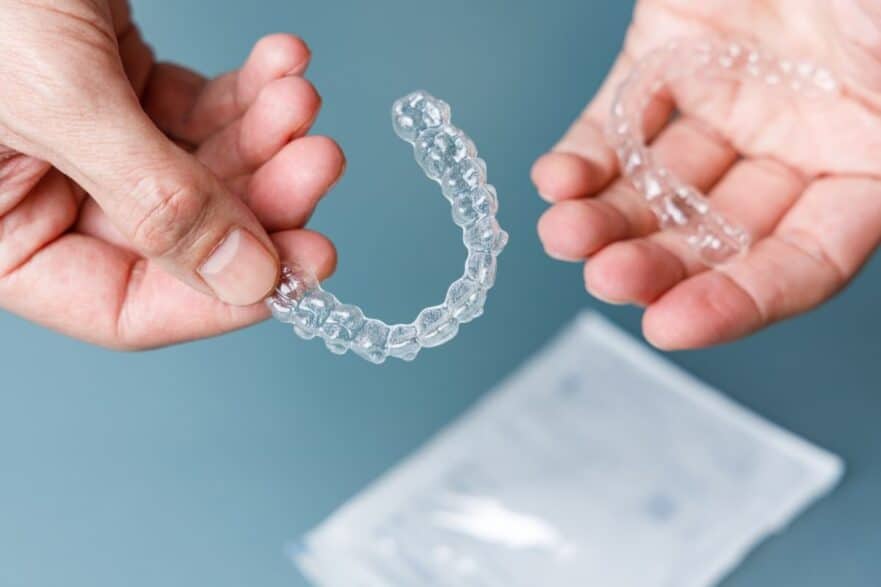
Undergoing Invisalign Treatment promises a discreet and effective path to a straighter smile. However, for some, the journey can encounter unexpected detours in the form of delays. These setbacks can be frustrating, as they extend treatment times and impact overall satisfaction. Understanding the common causes of these delays is crucial for patients to be proactive and for healthcare practitioners to manage expectations effectively.
The Foundation of Delays: Patient Compliance
The most significant factor influencing Invisalign treatment duration is patient compliance. Unlike fixed braces, Invisalign aligners are removable, placing the responsibility of consistent wear squarely on the patient.
Insufficient Wear Time
Invisalign aligners need to be worn for 20-22 hours per day. Any significant deviation from this recommendation can result in direct delays. Patients might remove their aligners for extended periods while eating or drinking, or forget to put them back in after brushing. Each hour missed accumulates, preventing the teeth from moving as planned, necessitating longer wear of the current aligner set or even backtracking to previous sets. This is perhaps the most common reason for treatment prolongation.
Improper Aligner Seating
Even with adequate wear time, aligners might not be seated correctly. This often happens if patients don’t use their “chewies” (small, soft cylinders provided by the orthodontist) diligently. Chewies help to firmly seat the aligners onto the teeth, ensuring the prescribed pressure is applied for optimal tooth movement. Poorly seated aligners can lead to a lack of tracking, meaning the teeth aren’t moving into the positions that the aligners are designed to achieve.
Biological Variables: Unique Responses to Treatment
While Invisalign plans are meticulously designed, individual biological responses can introduce variability.
Resistant Tooth Movement
Some teeth are more resistant to movement than others. This can be due to bone density, root shape, or even genetic predispositions. What might be a straightforward movement for one patient could be a stubborn one for another. In such cases, additional aligners, known as “refinements” or alternative approaches, may be necessary, which can extend the overall treatment timeline. If you are looking for an experienced orthodontist in Bowling Green who understands these nuances? Look no further. Look no further than Compton Orthodontics today.
Bone Remodeling Speed
Tooth movement relies on the continuous process of bone remodeling – the breakdown and rebuilding of bone around the teeth. The speed at which an individual’s bone remodels varies. Slower bone remodeling can lead to slower tooth movement, thus prolonging the treatment. Factors like age, metabolism, and certain medications can influence this biological process.
Clinical and Technical Factors: Precision and Planning
Even with perfect patient compliance and ideal biological responses, clinical and technical aspects can contribute to delays.
Inaccurate Impressions or Scans
The success of Invisalign relies heavily on the initial impressions or digital scans of the patient’s teeth. Any inaccuracies at this foundational stage can lead to aligners that don’t fit precisely, resulting in poor tracking and inefficient tooth movement. This often necessitates new scans and a fresh set of aligners, causing significant delays.
Unforeseen Treatment Complications
Occasionally, unforeseen complications can arise during treatment. This could include issues with attachments (small, tooth-colored bumps bonded to teeth to help aligners grip), which might debond and need reapplication. Similarly, if a patient experiences significant pain or discomfort, the treatment pace might need to be adjusted, or a different approach might be necessary.
Insufficient Interproximal Reduction (IPR)
IPR is a standard procedure in Invisalign treatment where small amounts of enamel are removed between teeth to create space for movement. If insufficient IPR is performed, or if it’s not done precisely according to the treatment plan, teeth may not have enough room to move into their desired positions, leading to tracking issues and requiring further intervention.
Proactive Measures for a Smoother Journey
While some delays are unavoidable, many can be mitigated. Patients should adhere strictly to wear-time recommendations, use chewies diligently, and attend all scheduled appointments. For orthodontists, meticulous initial planning, accurate impressions, and clear communication with patients about potential challenges are key. Regular monitoring and timely intervention can also address issues before they escalate into significant delays, ensuring a smoother and more predictable Invisalign journey for everyone involved. If you’re considering treatment or have concerns, we encourage you to visit our dental office to discuss your options. Don’t hesitate to book an appointment to get started on your path to a perfect smile.