

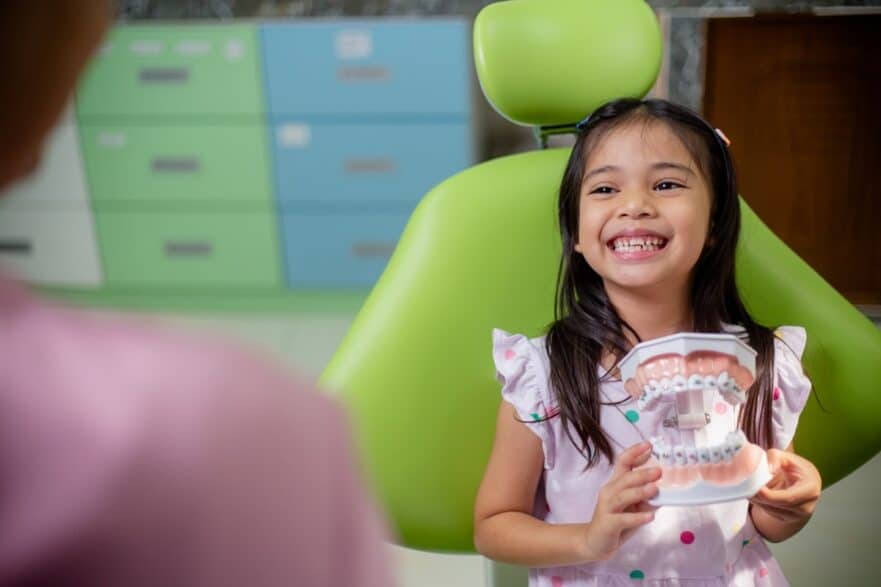
For many parents in Tompkinsville, the thought of braces often conjures images of teenagers with a full set of permanent teeth. So, when your child is still in the midst of losing their baby teeth, the question naturally arises: “Can Tompkinsville kids get braces if they’re still losing teeth?” The answer, in many cases, is a resounding yes! In fact, early orthodontic intervention, often referred to as Phase 1 treatment, can be incredibly beneficial for children with a mix of baby and adult teeth.
Understanding the “Mixed Dentition” Phase
Children typically begin losing their baby teeth around age six and continue to do so until they are about 12 or 13. During this period, their mouth contains a mix of primary (baby) and permanent (adult) teeth. This “mixed dentition” phase is a critical time for jaw development and the eruption of permanent teeth. An orthodontist in Tompkinsville can evaluate your child during this stage to identify potential issues before they become more complex.
Why Early Orthodontic Evaluation Matters (Around Age 7)
The American Association of Orthodontists (AAO) recommends that children have their first orthodontic evaluation by age seven. While it might seem early, by this age, your child will have enough permanent teeth for an orthodontist to assess their developing bite and jaw structure. This initial consultation isn’t necessarily about immediate braces, but rather about proactive monitoring and, if needed, early intervention.
What an early evaluation can detect:
- Crowding or spacing issues: Identifying if there’s enough room for permanent teeth to erupt properly.
- Crossbites, overbites, or underbites: Detecting misalignments in how the upper and lower teeth come together.
- Harmful oral habits: Addressing issues like prolonged thumb-sucking or pacifier use that can affect jaw growth.
- Missing or extra teeth: Identifying any anomalies in tooth development.
- Asymmetrical jaw growth: Recognizing uneven development that could lead to more significant problems later.
The Benefits of Early Orthodontic Intervention (Phase 1 Treatment)
If an orthodontist identifies a developing problem during the mixed dentition phase, they might recommend Phase 1 treatment, also known as interceptive orthodontics. The goal of this early treatment is to guide jaw growth, create space for incoming permanent teeth, and correct certain bite issues to prevent them from worsening.
Key advantages of Phase 1 treatment for Tompkinsville kids:
- Guiding Jaw Development: A child’s jawbones are still growing and more pliable, making it easier to guide their growth into a more favorable position. This can prevent the need for more extensive treatments, and even jaw surgery, in the future.
- Creating Space: Early treatment can help expand the dental arches to create enough room for all permanent teeth to erupt without severe crowding, potentially reducing the need for tooth extractions later on.
- Correcting Harmful Habits: Appliances can be used to break habits like thumb-sucking or tongue thrusting that can negatively impact tooth and jaw development.
- Reducing Trauma Risk: Protruding front teeth are more susceptible to injury. Early intervention can help move these teeth back, reducing the risk of accidental damage.
- Improving Self-Esteem: Addressing visible dental issues early can boost a child’s confidence during their formative years.
- Potentially Shorter Phase 2 Treatment: By addressing foundational issues early, the second phase of treatment (often with full braces in the teen years) may be shorter and less complex.
What Kind of Braces or Appliances Might Be Used?
During the mixed dentition phase, dental braces might not always be full sets. An orthodontist in Tompkinsville might use:
- Partial Braces: Brackets and wires might be placed only on certain permanent teeth that have erupted.
- Palatal Expanders: These appliances gently widen the upper jaw to create more space.
- Space Maintainers: If a baby tooth is lost prematurely, a space maintainer can hold the space open for the permanent tooth to erupt correctly, preventing adjacent teeth from shifting.
- Removable Appliances: Some issues can be addressed with removable devices.
What to Expect: The Tompkinsville Orthodontist Consultation
If you’re a parent in Tompkinsville considering orthodontic care for your child who is still losing teeth, the first step is to schedule a complimentary consultation with an orthodontist. We encourage you to visit our dental office to learn more about dental braces and how they can benefit your child. During this visit, the orthodontist will conduct a thorough examination, including X-rays, to assess your child’s dental development and identify potential issues. They will then discuss their findings with you, explain the recommended treatment options (if any), and answer all your questions.
Remember, every child’s dental development is unique. An early evaluation provides valuable insight into your child’s oral health journey, ensuring they receive the most appropriate and timely care for a healthy, confident smile. Don’t hesitate to reach out to a Tompkinsville orthodontist to explore the best path forward for your child and to book an appointment at your earliest convenience.