

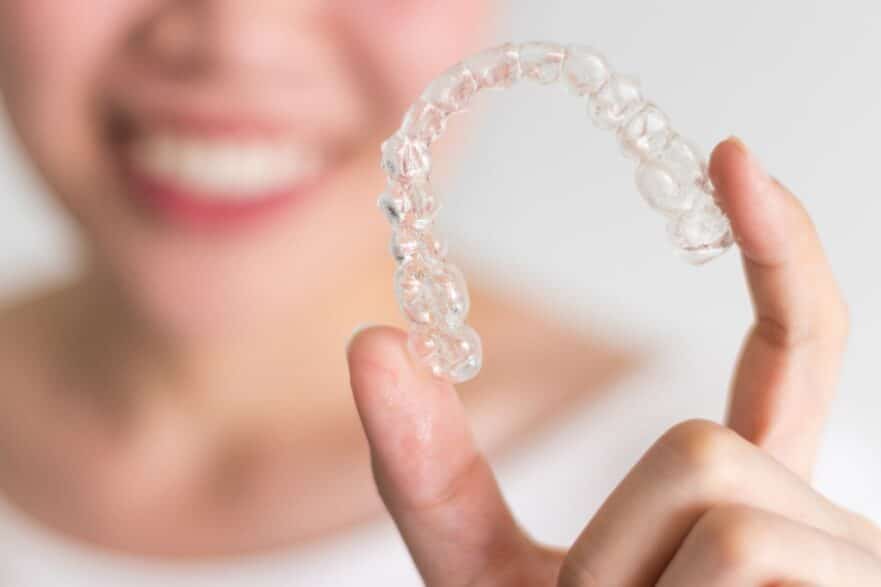
If you grind or clench your teeth at night, you may wonder whether Invisalign aligners are a safe option for straightening your smile. Bruxism, the medical term for teeth grinding, affects millions of people and can lead to worn enamel, jaw discomfort, headaches, and even damaged teeth over time. Many patients considering orthodontic treatment often ask whether Invisalign aligners can withstand nighttime grinding or if the pressure could damage the trays.
The good news is that Invisalign treatment is often a suitable option for patients with mild to moderate bruxism. In fact, the aligners may even help protect your teeth from grinding while improving their alignment. However, every patient is different, which is why a professional evaluation is important before beginning treatment.
At Compton Orthodontics, patients receive personalized orthodontic care designed to improve both comfort and long-term oral health. Let’s explore how Invisalign aligners work for nighttime grinders and what you should know before starting treatment.
What Is Bruxism?
Bruxism refers to the involuntary grinding, clenching, or gnashing of teeth. It commonly occurs during sleep, though some people also clench their teeth during the day, especially when stressed.
Common signs of bruxism include:
- Worn or flattened teeth
- Jaw soreness or tightness
- Morning headaches
- Tooth sensitivity
- Cracked or chipped teeth
- Clicking in the jaw joint
- Interrupted sleep patterns
In some cases, bruxism may be related to stress, sleep disorders, bite misalignment, or lifestyle habits such as caffeine consumption. Since grinding places excessive pressure on teeth and jaw muscles, untreated bruxism can lead to significant dental complications over time.
Can You Use Invisalign Aligners if You Grind Your Teeth?
Yes, many patients with bruxism successfully complete Invisalign treatment. Invisalign is made from durable, medical-grade plastic that fits snugly over your teeth. Because the trays cover the teeth completely, they can create a cushioning barrier that may reduce direct tooth-on-tooth contact during grinding.
For some patients, Invisalign aligners function similarly to a lightweight nightguard while straightening teeth at the same time. However, the success of treatment depends on several factors, including:
- The severity of your grinding
- The condition of your teeth and gums
- Your bite alignment
- Consistency in wearing aligners
- Whether additional protection is needed at night
Patients with severe bruxism may wear through aligners faster than average, but orthodontists can often adjust treatment plans to accommodate this issue.
How Invisalign Treatment May Help Bruxism
Surprisingly, Invisalign treatment may actually improve certain cases of bruxism. Misaligned teeth and improper bite relationships can sometimes contribute to uneven pressure on the jaw. Correcting those alignment problems may help reduce grinding triggers over time.
Benefits of Invisalign aligners for nighttime grinders may include:
Reduced Tooth Wear
The aligners act as a protective layer between upper and lower teeth, helping minimize enamel damage caused by grinding.
Improved Bite Alignment
As teeth move into healthier positions, pressure may distribute more evenly across the bite. This can sometimes decrease jaw strain and clenching habits.
Better Jaw Comfort
Some patients report less tension in the jaw muscles after orthodontic treatment improves their bite function.
Customized Orthodontic Care
Unlike one-size-fits-all solutions, Invisalign treatment is tailored to your smile. Your orthodontist can monitor grinding patterns and make adjustments throughout treatment.
Are Invisalign Aligners Strong Enough for Bruxism?
One of the most common concerns among nighttime grinders is whether the trays will crack or break. Invisalign aligners are designed to handle normal chewing and biting pressure, but chronic grinding can place additional stress on the material.
Patients with mild bruxism often do very well with Invisalign aligners. Those with more aggressive grinding may occasionally experience:
- Faster tray wear
- Small cracks or rough edges
- Needing replacement aligners sooner than expected
Fortunately, orthodontists can usually manage these issues without interrupting treatment. Regular checkups help ensure that aligners remain effective and comfortable.
At Compton Orthodontics, patients receive ongoing monitoring throughout Invisalign treatment to address concerns such as nighttime grinding, aligner wear, and bite changes.
Tips for Wearing Invisalign Aligners if You Grind Your Teeth
If you have bruxism and are considering Invisalign treatment, a few habits can help protect your aligners and improve treatment success.
Wear Aligners Exactly as Directed
Consistent wear is essential for proper tooth movement. Most patients should wear their aligners 20 to 22 hours daily.
Avoid Chewing on Aligners
Some patients unconsciously bite down on their trays during the day. This can weaken the plastic and increase the risk of damage.
Keep Up With Dental Visits
Routine monitoring allows your orthodontist to identify signs of excessive wear and make adjustments if needed.
Manage Stress Levels
Stress is a major contributor to nighttime grinding. Relaxation techniques, better sleep habits, and reducing caffeine intake may help decrease clenching.
Discuss Severe Bruxism Honestly
If you know you grind heavily at night, be upfront during your consultation. Your orthodontist may recommend additional protective strategies.
Invisalign vs. Traditional Braces for Nighttime Grinders
Patients often wonder whether braces are better than Invisalign aligners for bruxism. Both options can successfully straighten teeth, but Invisalign offers unique advantages for many adults and teens who grind their teeth.
Invisalign Advantages
- Smooth plastic trays without brackets or wires
- Removable for eating and cleaning
- May provide mild protection against grinding
- More discreet appearance
- Greater comfort for many patients
Traditional Braces Advantages
- Fixed to teeth, so compliance is less of an issue
- No removable trays to crack or wear down
- Sometimes preferred for severe orthodontic cases
The best option depends on your individual needs, bite condition, and grinding severity. A consultation with an experienced orthodontist can help determine the safest and most effective treatment plan.
Signs You Should Schedule an Orthodontic Evaluation
If you grind your teeth and notice changes in your smile or jaw comfort, it may be time to seek professional care.
You should consider scheduling an evaluation if you experience:
- Frequent jaw pain or tension
- Chipped or worn teeth
- Teeth shifting or crowding
- Difficulty biting or chewing
- Headaches upon waking
- Concerns about crooked teeth and grinding together
Orthodontic treatment may not completely eliminate bruxism, but improving tooth alignment and bite balance can often reduce contributing factors.
Why Professional Guidance Matters
Online advice about Invisalign treatment and bruxism can be confusing because every patient’s situation is unique. Some people only grind occasionally, while others apply intense pressure nightly.
That’s why a personalized orthodontic evaluation is so important. An experienced orthodontist can assess:
- Tooth wear patterns
- Jaw alignment
- Bite function
- Existing dental damage
- Whether Invisalign aligners are appropriate for your needs
At Compton Orthodontics, patients receive customized care plans designed to improve both smile aesthetics and oral function. Whether you are interested in Invisalign aligners for cosmetic reasons or want to address bite-related concerns, professional guidance helps ensure safe and effective treatment.
Schedule Your Invisalign Consultation Today
If you are considering Invisalign treatment but worry about nighttime grinding, professional guidance can help you make the right decision for your smile. The team at Compton Orthodontics is committed to helping patients achieve healthier, straighter smiles with customized orthodontic solutions.
Whether you have mild clenching or chronic bruxism, an evaluation can determine if Invisalign aligners are a safe and effective option for your needs. Visit our dental office to learn more about treatment options, ask questions about grinding concerns, and receive personalized care tailored to your smile goals.
Ready to get started? Contact us today and take the next step toward a healthier, more confident smile.
FAQs
1. Can Invisalign aligners stop teeth grinding?
Invisalign aligners do not directly cure bruxism, but they may help reduce tooth damage caused by grinding. In some cases, improving bite alignment may lessen grinding symptoms over time.
2. Will grinding damage my Invisalign trays?
Mild grinding usually does not cause major problems. However, patients with severe bruxism may wear down trays faster or occasionally crack aligners.
3. Is Invisalign treatment safe for severe grinders?
It depends on the individual case. Some patients with severe bruxism may still qualify for Invisalign treatment, while others may benefit from alternative orthodontic solutions or additional nighttime protection.
4. Can Invisalign aligners replace a nightguard?
Invisalign aligners provide some protection against tooth-on-tooth grinding, but they are not the same as a custom nightguard designed specifically for bruxism.
5. How do I know if I grind my teeth at night?
Common signs include jaw soreness, morning headaches, worn teeth, tooth sensitivity, and sleep disruption. A dentist or orthodontist can confirm whether you have bruxism.