

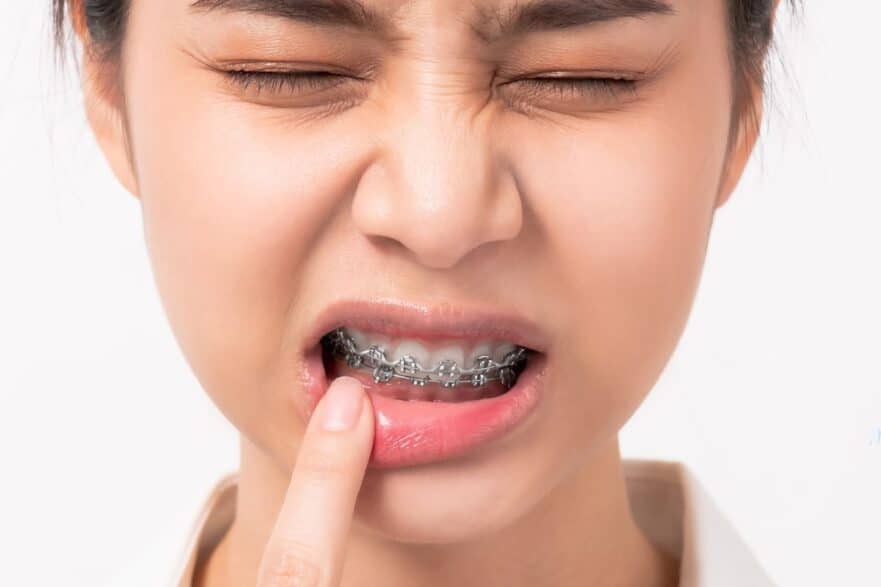
If you’re considering dental braces or have just started your journey toward a straighter smile, one of the most common questions you’ll have is: “How long does braces pain last?”
The truth is—yes, braces can cause some discomfort—but it’s temporary, manageable, and completely normal. In fact, that mild soreness is a sign your braces treatment is working to align your teeth properly.
In this guide, we’ll walk you through exactly what to expect, how long the pain typically lasts, and what you can do to feel better fast.
Why Do Dental Braces Cause Pain?
Dental braces work by applying gentle, consistent pressure to your teeth. This pressure gradually shifts your teeth into the correct position over time. As your teeth move, the surrounding bone and tissues adjust—this process can create temporary soreness or sensitivity.
Most patients describe the sensation as:
- A dull ache or pressure
- Tenderness when chewing
- Mild irritation on the cheeks or lips
The good news? This discomfort is a normal and expected part of treatment—and it doesn’t last forever.
How Long Does Braces Pain Last?
1. After Getting Braces for the First Time
When you first get braces, your mouth is adjusting to something completely new.
Typical timeline:
- First few hours: Pressure begins building
- 24–48 hours: Peak soreness
- 3–7 days: Pain gradually fades
Most patients experience the most noticeable discomfort during the first two days, with significant improvement by the end of the first week.
By day 5 to 7, you’ll likely feel much more comfortable and able to eat normally again.
2. After Braces Adjustments
Throughout your braces treatment, you’ll visit your orthodontist every few weeks for adjustments. These appointments tighten or modify your braces to keep your teeth moving.
What to expect after adjustments:
- Soreness begins within a few hours
- Peaks within 24–48 hours
- Typically lasts 1–3 days
Each adjustment may cause mild discomfort, but it usually becomes less intense over time as your mouth adapts.
3. Occasional Soreness During Treatment
Even between appointments, you may feel occasional sensitivity as your teeth continue shifting.
This is usually:
- Mild
- Short-lived
- Less intense than the initial pain
Over time, most patients report that braces become much easier to tolerate.
Does Braces Pain Get Better Over Time?
Yes—absolutely.
In fact, one of the most reassuring things about braces is that your body adapts quickly.
Here’s what typically happens:
- The first week is the most noticeable
- Each adjustment becomes less uncomfortable
- Long-term soreness becomes minimal or rare
Your mouth essentially “gets used” to the braces, making the experience easier as treatment progresses.
What Does Braces Pain Feel Like?
Braces discomfort isn’t usually sharp or severe. Instead, it’s often described as:
- A steady, dull ache
- Pressure when biting or chewing
- Sensitivity in specific teeth
- Minor irritation from brackets or wires
Think of it like muscle soreness after a workout—it means progress is happening.
How to Relieve Braces Pain Quickly
While braces’ pain is temporary, there are plenty of ways to make yourself more comfortable.
1. Stick to Soft Foods
After getting braces or an adjustment, choose foods that are easy to chew, like:
- Mashed potatoes
- Yogurt
- Soup
- Smoothies
- Scrambled eggs
Soft foods reduce pressure on sensitive teeth and help prevent irritation.
2. Use Over-the-Counter Pain Relief
Medications like ibuprofen or acetaminophen can help reduce inflammation and ease discomfort.
Always follow your orthodontist’s recommendations when taking any medication.
3. Apply Orthodontic Wax
If brackets or wires are irritating your cheeks or lips, orthodontic wax can create a protective barrier and prevent sores.
4. Try Cold Foods and Drinks
Cold temperatures can numb sore areas and provide instant relief.
Good options include:
- Ice water
- Smoothies
- Frozen yogurt
5. Rinse with Warm Salt Water
A simple saltwater rinse can soothe irritated gums and help heal minor cuts inside your mouth.
6. Avoid Crunchy or Sticky Foods
Stay away from:
- Hard candy
- Popcorn
- Chewy or sticky snacks
These foods can increase discomfort and even damage your braces.
When Should You Be Concerned About Braces Pain?
While most discomfort is normal, there are times when you should contact your orthodontist.
Reach out if you experience:
- Pain lasting longer than 7–10 days
- Sharp or severe pain
- Broken brackets or poking wires
- Sores that don’t heal
Persistent or unusual pain could indicate an issue that needs professional attention.
Tips to Make Your Braces Journey Easier
A smooth braces treatment experience goes beyond just managing pain. Here are a few helpful tips:
- Maintain good oral hygiene
- Keep up with all scheduled appointments
- Follow dietary guidelines
- Wear rubber bands as instructed
And most importantly—don’t skip visits! Regular checkups ensure your treatment stays on track.
The Big Picture: Temporary Discomfort, Long-Term Results
It’s easy to focus on the short-term discomfort, but remember why you started.
Braces typically last 12–24 months, and the discomfort you feel is only a small part of that journey.
The result?
A healthier bite, improved oral health, and a confident smile that lasts a lifetime.
Why Choose Professional Orthodontic Care?
Getting braces isn’t just about straightening teeth—it’s about improving your overall oral health and confidence.
When you visit our dental office, you’re not just receiving treatment—you’re getting personalized care, advanced technology, and a team dedicated to making your experience as comfortable as possible.
Choosing a trusted orthodontic provider ensures:
- Accurate diagnosis
- Customized treatment plans
- Ongoing support throughout your journey
Ready to Start Your Smile Journey?
If you’ve been thinking about improving your smile with dental braces, now is the perfect time to take the first step.
At Compton Orthodontics, we’re committed to making your braces treatment as comfortable, efficient, and rewarding as possible.
Don’t wait—book an appointment today and discover how easy it can be to achieve a healthier, more confident smile.
Whether you’re just exploring your options or ready to begin, our team is here to guide you every step of the way.
FAQs
1. How long does pain last after getting dental braces?
Most patients experience soreness for 3–7 days, with peak discomfort in the first 48 hours.
2. Do braces hurt every day?
No. Pain is usually limited to the first few days after getting braces or after adjustments.
3. How long does pain last after tightening braces?
After adjustments, discomfort typically lasts 1–3 days and is usually milder than the initial soreness.
4. Is braces pain a sign that something is wrong?
Not at all. Mild discomfort means your teeth are moving as intended.
5. Can I go to work or school with braces pain?
Yes! Most people can continue their daily routine, especially with simple pain management techniques.
6. What is the fastest way to relieve braces pain?
Stick to soft foods, use cold compresses or drinks, and take over-the-counter pain relievers if needed.