

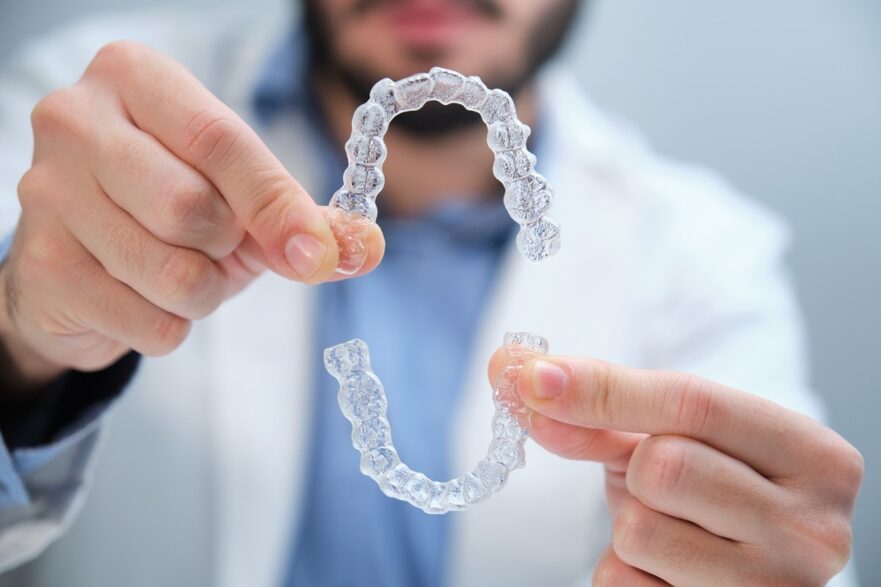
Starting your Invisalign treatment is an exciting step toward a straighter, healthier smile. However, some patients notice an unexpected side effect early on—dry mouth. If your mouth suddenly feels sticky, uncomfortable, or unusually dry after wearing Invisalign clear aligners, you’re not alone.
The good news is that this issue is common, temporary, and very manageable. Understanding why it happens and how to treat it can help you stay comfortable while keeping your treatment on track.
What Is Dry Mouth and Why Does It Matter?
Dry mouth, also known as xerostomia, occurs when your body doesn’t produce enough saliva. Saliva plays a crucial role in maintaining oral health. It helps wash away food particles, neutralizes acids produced by bacteria, and keeps your mouth moist and comfortable.
When saliva production drops, you may notice discomfort, bad breath, or even an increased risk of cavities and gum problems. That’s why it’s important to address dry mouth early, especially during Invisalign treatment.
Why Does Invisalign Cause Dry Mouth?
Dry mouth with Invisalign aligners isn’t caused by a defect in the treatment. Instead, it’s a natural response to changes in your oral environment.
One of the main reasons is that aligners cover your teeth and slightly alter how saliva flows around your mouth. Since saliva can’t move as freely as it normally would, your mouth may feel drier than usual.
Another factor is adjustment. When you first begin wearing Invisalign clear aligners, your body may react to them as something new. This temporary response can affect how much saliva your mouth produces.
Some patients also find themselves drinking less water throughout the day. Because aligners must be removed before consuming anything other than water, people sometimes unintentionally reduce their fluid intake. Over time, this can lead to dehydration, which contributes to dry mouth.
Mouth breathing, especially at night, can make symptoms worse. Lifestyle habits like drinking coffee, alcohol, or taking certain medications can also reduce saliva production and intensify dryness.
Symptoms You May Notice
Dry mouth doesn’t feel the same for everyone, but there are a few common signs to watch for. You may experience a sticky or dry sensation, difficulty swallowing, or a constant need to sip water. Some patients also notice bad breath or mild irritation in the mouth and throat.
If these symptoms are ignored, they can lead to plaque buildup and increase your risk of tooth decay. That’s why managing dry mouth is an important part of your Invisalign journey.
How to Treat Dry Mouth During Invisalign Treatment
The most effective way to relieve dry mouth is to focus on hydration and supporting your body’s natural saliva production. Drinking water regularly throughout the day is one of the simplest and most powerful solutions. Keeping a water bottle nearby can make it easier to stay consistent.
In addition to hydration, using sugar-free gum or mints can help stimulate saliva flow. Products containing xylitol are especially helpful because they not only increase moisture but also support oral health.
It’s also important to be mindful of what you drink. Beverages like coffee, soda, and alcohol can dry out your mouth even more, so limiting them can make a noticeable difference.
Maintaining excellent oral hygiene is another key step. Brushing and flossing regularly, along with cleaning your Invisalign aligners, helps prevent bacteria buildup that can worsen dryness and bad breath.
If your symptoms are more persistent, over-the-counter dry mouth products such as saliva substitutes or alcohol-free mouth rinses can provide additional relief. At night, using a humidifier may help keep your mouth from drying out while you sleep.
Does Dry Mouth Go Away?
For most patients, dry mouth improves as their mouth adjusts to wearing Invisalign clear aligners. This adjustment period typically lasts a few days to a few weeks.
As your body becomes accustomed to the aligners, saliva production usually returns to normal. However, if dryness continues or becomes uncomfortable, it’s a good idea to visit our dental office for guidance.
Preventing Dry Mouth While Wearing Invisalign
Preventing dry mouth often comes down to simple daily habits. Staying hydrated is essential, but consistency matters just as much as quantity. Try to sip water regularly instead of waiting until you feel thirsty.
Pay attention to your breathing habits, especially at night, and aim to breathe through your nose rather than your mouth. Keeping up with your oral hygiene routine and following your orthodontist’s instructions will also go a long way in preventing discomfort.
Small lifestyle adjustments can make a big difference in how your mouth feels throughout your treatment.
When Should You See an Orthodontist?
While dry mouth is usually mild and temporary, there are times when professional care is necessary. If your symptoms last longer than expected, become painful, or lead to noticeable oral health issues, it’s important to visit our dental office.
Your orthodontist can evaluate your condition and recommend personalized solutions to keep your treatment comfortable and effective.
Take the Next Step Toward a Comfortable Smile
Dry mouth may be an unexpected part of your Invisalign treatment, but it doesn’t have to interfere with your progress. With the right care and a few simple adjustments, you can stay comfortable and focused on achieving the smile you’ve always wanted.
If you’re experiencing discomfort or have questions about your Invisalign aligners, the team at Compton Orthodontics is here to help. Visit our dental office for personalized support and expert care tailored to your needs.
Don’t wait to feel better—book an appointment today and make your Invisalign journey as smooth and comfortable as possible.
Frequently Asked Questions
1. Is dry mouth normal during Invisalign treatment?
Yes, it’s a common side effect, especially in the early stages of treatment.
2. How long does dry mouth last with Invisalign aligners?
Most people notice improvement within a few weeks as their mouth adjusts.
3. Can dry mouth harm my teeth?
If left untreated, it can increase the risk of cavities and gum disease due to reduced saliva.
4. What’s the fastest way to relieve dry mouth?
Drinking water consistently and using sugar-free gum or mints can provide quick relief.
5. Should I stop wearing my aligners if my mouth feels dry?
No, you should continue wearing them as directed and consult your orthodontist if the discomfort persists.