

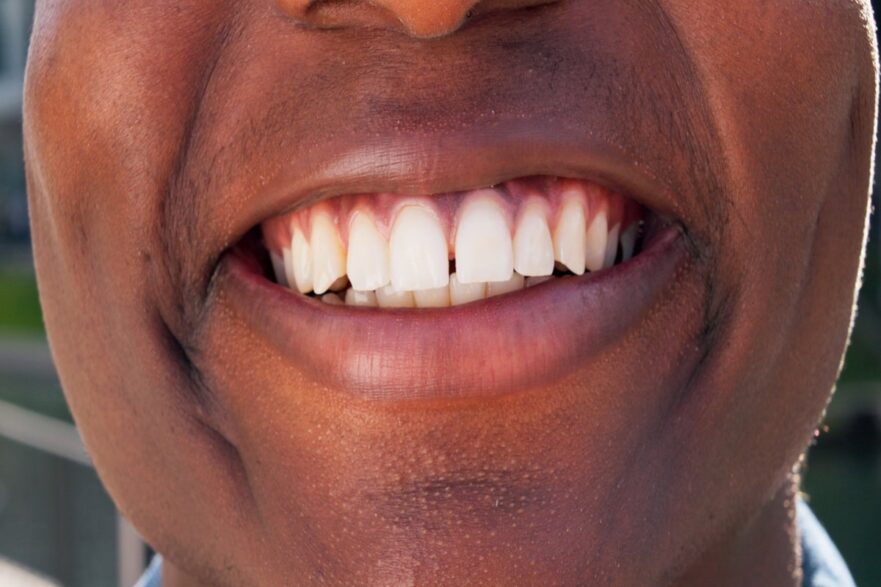
Have you ever looked in the mirror and noticed noticeable gaps between your teeth? Maybe you’ve wondered whether it’s just a cosmetic quirk—or if it could lead to bigger issues down the road. In the world of orthodontics, spacing between teeth is common, but when the gaps are excessive, it’s worth exploring why it happens and what can be done about it.
At Compton Orthodontics, we believe everyone deserves a smile they feel confident in. Whether you’re considering corrective care for yourself or your child, it all starts with understanding what’s going on in your mouth—and when it might be time to visit our dental office.
What Is Excessive Spacing Between Teeth?
Teeth spacing—sometimes called diastema—refers to visible gaps between the teeth. It’s most noticeable when the spaces are large or between multiple teeth. A small amount of spacing is normal and can even be part of natural development, especially in children.
However, excessive spacing refers to gaps that:
- Affect chewing or speaking
- Causes self-consciousness about appearance
- Lead to gum irritation or food trapping
- Are the result of underlying dental issues
Spacing can occur anywhere in the mouth, but it’s most commonly seen between the two upper front teeth.
Common Causes of Excessive Spacing
Understanding the reason behind the gaps can help you decide the best way to address them. Here are some frequent causes:
1. Jaw Size and Tooth Size Mismatch
Sometimes the jawbone is larger than the teeth, resulting in extra space. Genetics often plays a big role in this, meaning spacing patterns can run in families.
2. Missing Teeth
If a tooth fails to develop or is lost due to decay or trauma, the surrounding teeth may drift, creating gaps.
3. Habits Like Thumb Sucking
Prolonged thumb sucking or pacifier use can push teeth forward, leading to spacing—especially in children.
4. Tongue Thrust
This occurs when the tongue presses forward against the teeth during swallowing. Over time, the pressure can create gaps.
5. Periodontal (Gum) Disease
Advanced gum disease can weaken the bone that supports teeth, causing them to shift and create space.
Why Excessive Spacing Can Be a Problem
While some people embrace a gap as part of their unique smile, excessive spacing can cause concerns beyond appearance.
1. Functional Issues
Large spaces can make it more difficult to bite, chew, and speak properly. Food may also get caught easily, leading to discomfort and bad breath.
2. Gum Health Problems
Gaps can expose gum tissue to increased trauma and make proper cleaning more difficult. This increases the risk of plaque buildup, inflammation, and gum disease.
3. Self-Esteem and Confidence
Smiles are one of the first things people notice. If spacing affects how you feel about your smile, it can impact confidence in social, academic, or professional settings.
How Orthodontic Treatment Can Help
Excessive spacing is a common issue that can be addressed with orthodontic treatment. An orthodontist can evaluate your bite, jaw alignment, and spacing to design the best care plan.
Here are some effective orthodontic solutions:
1. Traditional Braces
Braces use brackets and wires to gently move teeth into their proper positions over time. This method is highly effective for closing gaps and correcting alignment issues.
2. Clear Aligners
Clear aligners like Invisalign are a popular choice for adults and teens looking for a more discreet option. These custom trays apply gentle pressure to shift teeth and close spaces without visible braces.
3. Retainers
In mild spacing cases, or after active treatment, retainers help maintain tooth positions and prevent gaps from returning.
4. Space Maintainers
For younger patients still growing, space maintainers can help preserve room for permanent teeth if a baby tooth is lost prematurely.
When Should You See an Orthodontist?
If you notice one or more of the following, it’s a good idea to visit our dental office for an evaluation:
- Large gaps between your teeth
- Difficulty chewing certain foods
- Speech challenges related to tooth spacing
- Self-consciousness about your smile
- Gaps develop after losing a tooth
Even if the spacing seems mostly cosmetic, early evaluation can prevent bigger bite or gum issues later.
What to Expect at Your Orthodontic Visit
When you book an appointment with Compton Orthodontics, you’re taking the first step toward a healthier, more confident smile.
Here’s what to expect at your first visit:
- Comprehensive Exam: We’ll review your dental history and perform a thorough evaluation of your bite and spacing.
- X-Rays and Photos: These help us see what’s going on beneath the surface and plan the most effective treatment.
- Personalized Plan: We’ll explain your options clearly and help you choose the best orthodontic path for your goals and lifestyle.
- Questions Answered: We want you to feel informed and comfortable at every step.
Our team is here to make the process smooth, friendly, and tailored to you.
Living with Spacing Before Treatment
While waiting for treatment, there are a few things you can do to keep your smile healthy:
- Brush twice daily and floss at least once a day to remove trapped food.
- Use interdental brushes or water flossers to clean between larger gaps.
- Avoid chewing on hard objects that could damage your teeth.
- Schedule regular checkups to monitor any changes.
FAQs
Q: Is spacing between teeth always a problem?
A: Not always. Some spacing is natural and doesn’t interfere with function or health. However, if gaps are large or causing issues, orthodontic care may be beneficial.
Q: Does orthodontic treatment hurt?
A: Most patients experience mild discomfort as teeth begin to move—but it’s temporary and manageable with over-the-counter pain relief.
Q: Can adults get spacing corrected with orthodontics?
A: Absolutely! Orthodontic treatment works well for adults, teens, and children. Age isn’t a barrier to a healthier smile.
Q: How long does treatment take?
A: It depends on the severity of spacing and your chosen method. Treatment can range from several months to a few years for extensive cases.
Q: Is treatment covered by insurance?
A: Many dental insurance plans include orthodontic benefits. Our team can help review your coverage and payment options.
Smile with Confidence — Book Your Appointment Today!
Excessive spacing between teeth doesn’t have to be a permanent concern. With personalized care from Compton Orthodontics, you can enjoy a healthier bite and a smile you’re proud to share.
Ready to take the next step? Book an appointment today! Our friendly team is here to guide you through every stage of the orthodontic journey in a comfortable, supportive environment.