

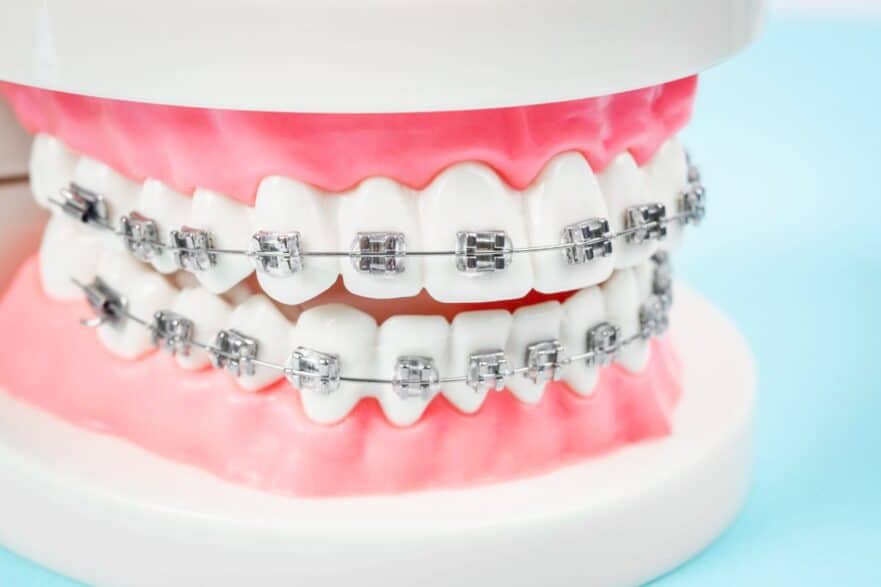
Braces are an essential tool in orthodontics, designed to straighten your teeth, correct bite issues, and improve your overall smile. However, many patients wonder if braces can create gaps between their teeth. It’s a valid concern, especially for those new to orthodontic treatment. Here, we’ll explore how braces work and whether they can cause gaps between your teeth during treatment.
How Braces Work
Dental braces consist of brackets, wires, and elastic bands that apply gentle pressure to your teeth over time. This pressure slowly shifts the teeth into their correct positions. While the goal is to move teeth closer together, gaps may temporarily appear during the process.
Why Gaps May Appear with Braces
- Initial Stages of Treatment
When you first get your braces, the orthodontist may need to create space between certain teeth to prepare for proper alignment. This might involve moving a tooth out slightly to allow more space for other teeth to shift into place. During this phase, you might notice gaps between your teeth. However, this is typically a temporary step in the process, and your orthodontist will work to close the gaps as treatment progresses. - Shifting of Teeth
As braces move your teeth, there may be times when a tooth shifts into a position where it creates a visible gap. This can happen as teeth are realigned, and it’s a sign that the process is working. Once the teeth have moved into their proper positions, these gaps will close, and you’ll notice a more uniform smile. - Tooth Extraction
In some cases, orthodontists may recommend removing one or more teeth to create space for other teeth to move into. While it may seem to create gaps, the goal is to improve overall alignment and achieve the best result. These gaps will typically be closed as the remaining teeth shift into their new positions. - Interproximal Reduction (IPR)
Some orthodontic treatments may involve a procedure called interproximal reduction (IPR), which removes small amounts of enamel between certain teeth to create space for alignment. While this may temporarily increase the appearance of gaps, it helps create the necessary space for your teeth to settle into their ideal positions.
The Role of the Orthodontist
Your orthodontist carefully plans the entire treatment process to ensure that your teeth move into the correct positions, whether it’s closing gaps or realigning crowded teeth. While gaps can appear during treatment, they are usually part of the treatment plan and will be resolved as the braces work to properly align your teeth.
Do Gaps Stay After Treatment?
Once your braces are removed, your teeth should be aligned, and any gaps that appear during treatment will be gone. If any small spaces remain, your orthodontist can make adjustments or offer additional treatments like retainers to ensure the best final result.
Conclusion
Braces are designed to improve the alignment of your teeth, and while gaps can appear temporarily during the treatment, they are typically a sign that the process is working. The goal is to give you a beautiful, evenly aligned-smile. If you have concerns about your braces treatment or notice unusual gaps, it’s essential to consult with your orthodontist for guidance.
At Compton Orthodontics, we are committed to helping you achieve the smile you’ve always wanted. Our team of experts will work closely with you throughout your treatment to ensure your teeth move safely and effectively into their ideal positions. Whether you’re just starting your journey with braces or looking for guidance, we’re here to help every step of the way. Contact us today to schedule your consultation!