

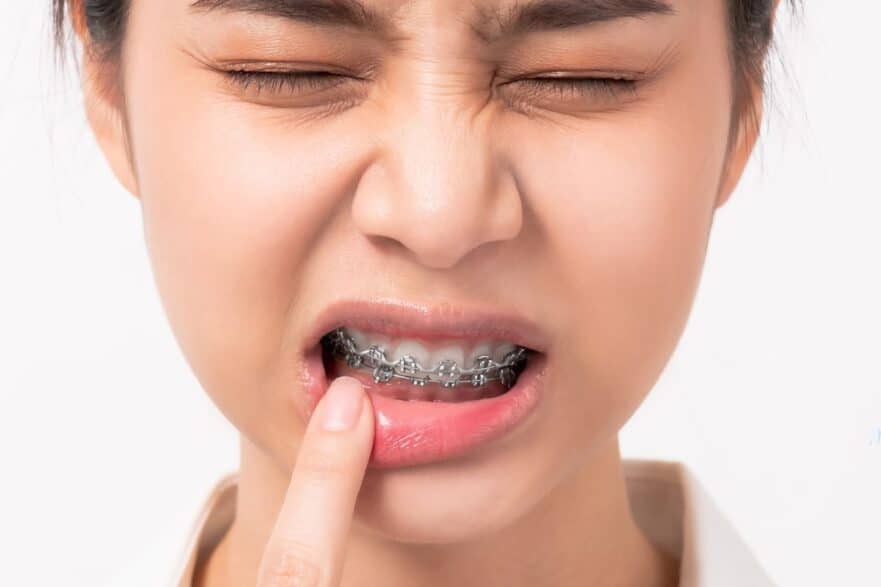
Starting your braces treatment is an exciting step toward a healthier, straighter smile. However, it’s completely normal to experience some discomfort in the early stages. One of the most common concerns patients have is braces cheek irritation, that annoying feeling when brackets or wires rub against the inside of your mouth.
If you’ve been wondering things like “is it normal for braces to cut your cheek?” or “how to stop braces from cutting your cheeks,” you’re not alone. Let’s walk through why this happens and what you can do to stay comfortable throughout your orthodontic journey.
Why Do Braces Cause Cheek Irritation?
When you first get dental braces, your mouth isn’t used to the new hardware. The brackets and wires may feel bulky, leading to the braces rubbing against the cheeks. Over time, your cheeks and lips will naturally toughen up and adjust, but the initial phase can be uncomfortable.
Many patients also report that braces hurt or even scratch their cheeks during the first few weeks or after adjustments. This happens because your braces are actively shifting your teeth, which can slightly change how your cheeks rest against them.
Is It Normal for Braces to Cut Your Cheek?
Yes, it can be normal, especially early in your braces treatment. Minor cuts or irritation can occur when brackets or wires rub against the inside of the mouth. If you’re asking, “is it normal for braces to cut your cheek?” the answer is that mild irritation is common, but it shouldn’t be severe or long-lasting.
If discomfort continues or worsens, it’s important to address it promptly to prevent sores or infections.
How to Stop Braces from Cutting Your Cheeks
The good news is that there are several simple and effective ways to reduce irritation and protect your cheeks.
Orthodontic wax is one of the easiest solutions. Applying wax over brackets or wires creates a smooth barrier, helping stop braces from rubbing on cheek surfaces. This is especially helpful if you’re dealing with sharp edges.
Rinsing your mouth with warm salt water can also soothe irritation and promote healing. It’s a quick at-home remedy that works well for minor sores caused by braces scratching cheeks.
Maintaining good oral hygiene is equally important. Keeping your mouth clean reduces the risk of irritation turning into infection and helps your tissues heal faster.
If a wire feels out of place, resist the urge to adjust it yourself. Instead, schedule a visit with your orthodontist to safely correct the issue.
How to Stop Braces Rubbing on the Cheek During Daily Activities
Daily habits can make a big difference in your comfort level. Eating softer foods during the first few days after adjustments can reduce pressure and minimize irritation.
Staying hydrated helps keep your mouth tissues healthy, making them more resistant to friction. Over time, your cheeks will adapt, and you’ll notice less discomfort.
If you’re still wondering how to stop braces rubbing on your cheek, remember that consistency is key; using wax, rinsing regularly, and following your orthodontist’s advice will go a long way.
Can Braces Poking Gums Cause a White Bump?
Yes, sometimes they can. If you’ve noticed a small white bump and are asking, “can braces poking gums cause a white bump?” it may be due to irritation or a minor ulcer forming in response to friction.
These bumps are usually harmless and temporary, but they should be monitored. If the bump becomes painful, grows in size, or doesn’t go away, it’s best to have it evaluated during your next visit.
When Should You See Your Orthodontist?
While mild discomfort is expected, certain symptoms shouldn’t be ignored. If you experience persistent pain, severe sores, or a wire that continues to poke your cheek or gums, it’s time to seek professional care.
Your orthodontist can make small adjustments that provide immediate relief and keep your braces treatment on track.
Stay Comfortable Throughout Your Braces Journey
Getting used to braces takes time, but the results are worth it. By taking simple steps to manage cheek irritation, you can stay comfortable and confident as your smile transforms.
At Compton Orthodontics, we’re committed to making your experience as smooth as possible. If you’re dealing with irritation or have concerns about your dental braces, don’t hesitate to visit our dental office. Our team is here to help you every step of the way.
Ready to feel more comfortable with your braces? Book an appointment with Compton Orthodontics today and let us help you achieve a healthier, happier smile.
FAQs
1. How long does cheek irritation from braces last?
Cheek irritation usually lasts for the first few weeks after getting braces or following adjustments. Your mouth will gradually adapt, reducing discomfort over time.
2. What is the fastest way to heal cuts from braces?
Using orthodontic wax, rinsing with warm salt water, and maintaining good oral hygiene can help heal cuts quickly.
3. Why do my braces feel sharper after adjustments?
After adjustments, wires may shift slightly, causing temporary sharpness that can lead to irritation until your mouth adapts.
4. Can I use over-the-counter products for braces pain?
Yes, oral pain relief gels and saltwater rinses can help soothe irritation caused by braces.
5. Should I worry about constant irritation from braces?
Mild irritation is normal, but constant or severe discomfort should be evaluated by your orthodontist.
6. Can food choices affect cheek irritation with braces?
Yes, eating hard or crunchy foods can increase irritation. Softer foods help reduce friction and discomfort during braces treatment.