

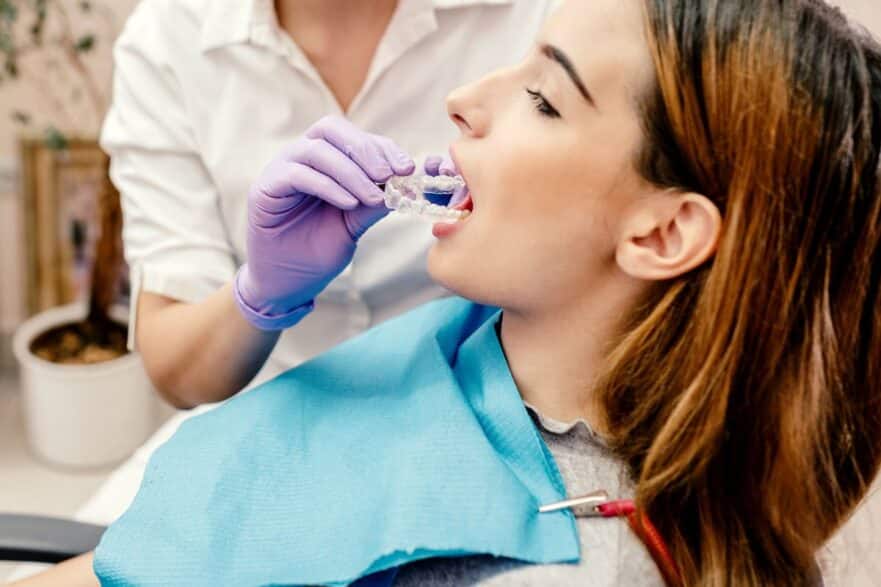
Orthodontic surgery, while not always the first option for correcting dental issues, can be necessary in certain cases where conventional orthodontic treatments are insufficient. This specialized branch of dentistry focuses on correcting severe malocclusions (misalignments of the teeth and jaw) that cannot be effectively treated with braces or aligners alone. Here’s a detailed look at why orthodontic surgery may be recommended:
1. Severe Malocclusions:
Orthodontic surgery is typically considered when the misalignment of teeth and jaws is severe. This includes conditions like:
- Overbite (Class II Malocclusion): Where the upper front teeth excessively overlap the lower front teeth.
- Underbite (Class III Malocclusion): Where the lower teeth protrude past the upper teeth.
- Open Bite: Where the upper and lower front teeth do not meet when the mouth is closed.
- Crossbite: Where one or more upper teeth bite inside the lower teeth instead of outside.
These malocclusions can lead to difficulties in chewing, speaking, and maintaining oral hygiene, and may even cause facial imbalance if left untreated.
2. Jaw Alignment Issues:
Sometimes, orthodontic surgery is necessary to correct problems with the alignment of the jaw itself. This includes conditions such as:
- Protruding Jaw: Where the lower jaw extends too far forward, causing an underbite.
- Receding Chin: Where the lower jaw is positioned too far back, often associated with an overbite.
Surgery can reposition the jaw to improve its function and aesthetic appearance, often in conjunction with orthodontic braces or other appliances.
3. Facial Asymmetry:
Certain individuals may have facial asymmetry caused by skeletal discrepancies between the upper and lower jaws. Orthognathic surgery, a type of orthodontic surgery, can help correct these imbalances, improving both function and facial harmony.
4. Impacted Teeth:
Impacted teeth, such as wisdom teeth or canines, that fail to erupt properly due to obstructions within the jawbone or overcrowding may require surgical intervention. Orthodontic surgery can expose and reposition these teeth to improve oral function and prevent complications.
5. Treatment Resistance:
In some cases, traditional orthodontic treatments like braces or aligners may not achieve the desired results due to the complexity of the dental or skeletal issue. Orthodontic surgery becomes necessary to resolve these more challenging cases effectively.
6. Pre-Surgical Orthodontics:
Prior to orthodontic surgery, patients often undergo a period of pre-surgical orthodontic treatment. This phase aims to align the teeth as much as possible to facilitate surgical planning and post-surgical stability.
Conclusion
Orthodontic surgery is a specialized treatment option for correcting severe dental and skeletal issues that cannot be adequately addressed with traditional orthodontic methods alone. It offers patients a chance to achieve not only improved dental function and health but also enhanced facial aesthetics and self-confidence. If you believe you may benefit from orthodontic surgery, consult with an experienced orthodontist who can assess your condition and recommend the most appropriate treatment plan tailored to your needs.