

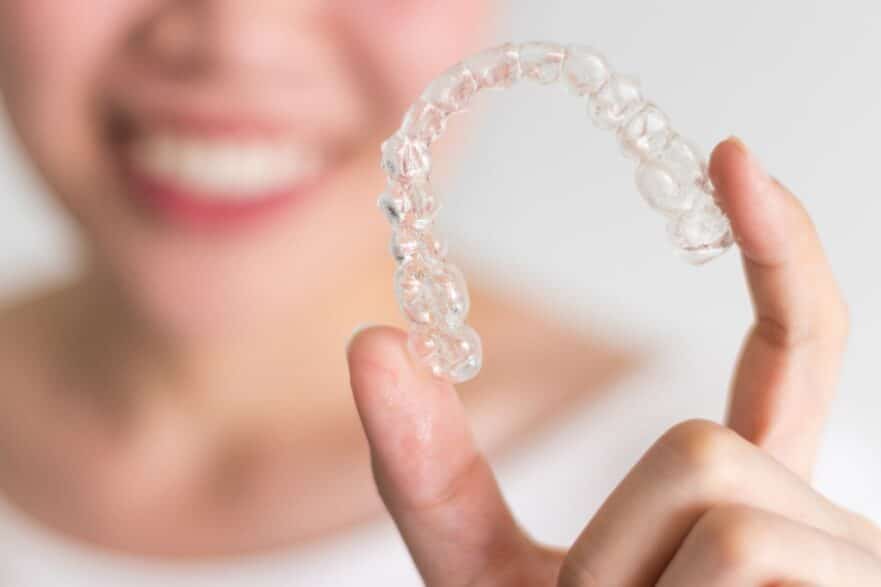
Achieving the confident, radiant smile of your dreams is an exciting milestone. Over the past couple of decades, clear aligner technology has completely transformed the way we approach orthodontic care. Gone are the days when traditional metal braces were your only option for correcting crooked teeth, gaps, or bite misalignments. Today, clear aligners offer a subtle, comfortable, and highly effective way to achieve incredible results without altering your day-to-day lifestyle.
If you are thinking about enhancing your smile, deciding to embark on Invisalign treatment is a major step forward. However, like any medical or dental procedure, proper preparation makes all the difference. Knowing what to expect ahead of time ensures a smooth, stress-free journey from your very first set of trays to your grand reveal.
1. The Power of Customization: It’s Not Just Plastic
One of the first things patients realize when they begin researching clear aligners is that they aren’t just generic plastic trays. Your customized Invisalign aligners are engineered using advanced 3D digital imaging technology that maps out your exact dental structure.
Every single tray in your series is meticulously crafted to apply gentle, targeted pressure to specific teeth at precise stages of your treatment plan. Because they are custom-designed for your unique bite, they fit snugly over your teeth, gently guiding them into their ideal positions week by week.
2. Consistency Is Your Best Friend (Wear Them 22 Hours a Day!)
The beauty of clear aligners lies in their removability; you can take them out to eat, brush, and floss. However, this wonderful feature also requires a high level of personal discipline.
For your treatment to progress on schedule, you must wear your aligners for 20 to 22 hours every single day. The only time they should be out of your mouth is when you are actively eating, drinking anything other than plain cool water, or performing your oral hygiene routine. Leaving your trays out for extended periods can cause your teeth to regress, ultimately derailing your timeline and requiring replacement trays.
3. Say Hello to a New Oral Hygiene Routine
With traditional braces, navigating around wires and brackets can make brushing and flossing feel like an intricate puzzle. One of the greatest perks of clear aligners is that you maintain your normal brushing and flossing habits with zero obstructions.
However, your daily routine will require a minor adjustment regarding frequency. Because trapped food particles and sugary beverages can get pressed directly against your teeth inside the aligners, heightening the risk of cavities and staining- you must brush your teeth every time after you eat before putting your aligners back in. Keeping a travel toothbrush, toothpaste, and floss in your bag or car makes maintaining this habit a breeze when you are on the go.
4. Expect Minor, Temporary Adjustment Discomfort
Whenever teeth move, whether through traditional braces or clear aligners, some degree of pressure or discomfort is entirely normal. When you switch to a brand-new set of trays every week or two, you will likely feel a tight, aching sensation for the first day or two.
This mild discomfort is actually a positive sign; it means your aligners are actively doing their job! Unlike metal braces, there are no sharp wires or protruding brackets to irritate the inside of your cheeks or lips. Any minor soreness typically fades quickly as your mouth adjusts to the new trays.
5. You Can Still Eat (Almost) All Your Favorite Foods
Food restrictions can be a major bummer with traditional orthodontic hardware, where sticky candies, hard crusts, and chewy snacks are strictly off-limits. Fortunately, Invisalign treatment completely eliminates dietary restrictions.
Because you remove your aligners prior to every meal or snack, you can continue eating your favorite foods without worry. Just remember to take your trays out, store them safely in their designated protective case (never wrap them in a napkin where they might get thrown away!), and clean your teeth before popping them back in.
Frequently Asked Questions
How long does Invisalign treatment usually take?
The duration of your treatment depends entirely on the complexity of your unique alignment needs. On average, most patients complete their journey anywhere between 12 to 18 months, though minor adjustments can sometimes be finished in as little as 6 months. Your orthodontist will provide a personalized timeline during your initial consultation.
Can I drink coffee, tea, or soda while wearing my aligners?
It is strongly recommended that you remove your aligners when consuming any beverage other than plain water. Hot liquids like coffee or tea can warp the medical-grade plastic, while sugary or dark-colored drinks can seep underneath the trays, trapping acids against your enamel and causing discoloration or cavities.
How do I clean my Invisalign aligners properly?
Keeping your trays crystal clear and hygienic is simple. Clean them daily using a soft-bristled toothbrush with a mild liquid soap or specialized cleaning crystals. Avoid using standard toothpaste, as its abrasive ingredients can scratch the plastic and make the aligners look cloudy or noticeable.
Ready to Transform Your Smile?
Embarking on a smile transformation is an investment in your self-confidence, oral health, and overall well-being. If you are ready to learn how clear aligners can work for you, we invite you to visit our dental office for a comprehensive consultation.
Our expert team is dedicated to providing compassionate, individualized care in a welcoming environment. Don’t wait to achieve the smile you have always wanted—book an appointment with Compton Orthodontics today and take the first step toward your brand-new look!